India is one of the world's largest producers of meat and seafood, with a rapidly growing domestic demand for high-quality, hygienically delivered protein. However, the biggest hurdle for Indian wholesalers and retailers remains the "Heat Factor." With summer temperatures often crossing 40°C, maintaining the cold chain from the warehouse to the consumer's doorstep is a race against time.
For businesses in cities like Kochi, Mumbai, or Hyderabad, the solution isn't a larger truck—it's a smarter, more agile vehicle.
1. Preserving the "Catch of the Day" in Coastal Cities
In the seafood industry, freshness is the only currency. For fishmongers and large-scale distributors operating near India's vast coastline, traditional open-air transport leads to significant spoilage and lost revenue.
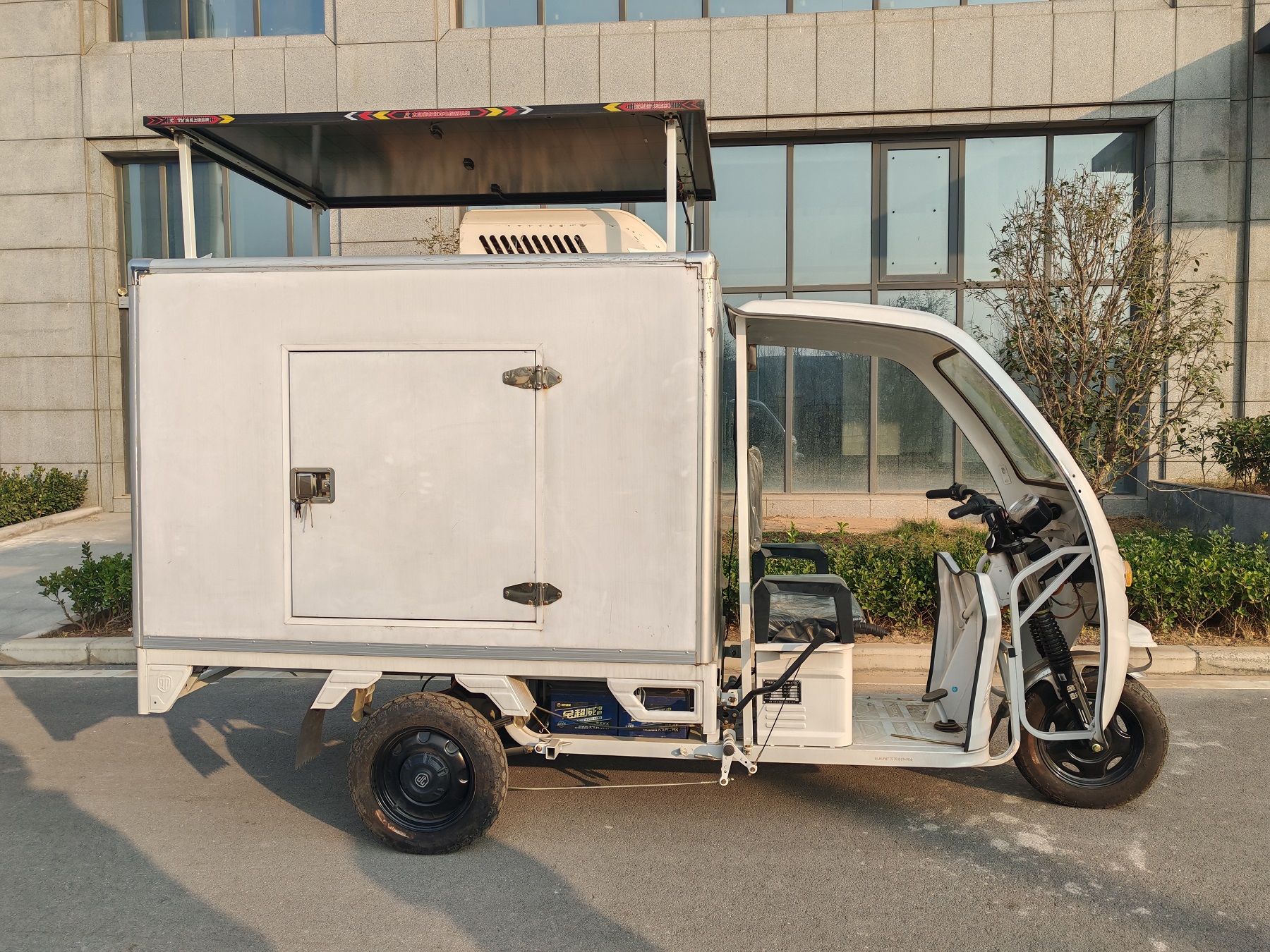
Implementing an insulated tricycle for fresh seafood last-mile delivery is a game-changer. These vehicles are designed to navigate the humid, salty air of coastal regions while keeping the internal temperature stabilized. The compact size allows drivers to bypass heavy traffic in fishing hubs, ensuring that the "catch of the day" reaches hotels and markets without losing its premium quality or texture.
2. Elevating the Modern Butcher Shop
The Indian retail landscape is shifting. Local butcher shops are evolving into branded meat boutiques that offer premium cuts and home delivery services. To maintain brand trust, the delivery method must reflect the quality of the product.
A refrigerated 3-wheel cargo bike for butcher shop home delivery provides the perfect balance of professional branding and operational efficiency. Unlike standard motorbikes with thermal bags that struggle in the Indian sun, these integrated refrigerated units provide a consistent cooling environment. This ensures that raw poultry and mutton remain at safe, chilled temperatures throughout the entire delivery route, minimizing the risk of bacterial growth and odors.
3. Scaling B2B Distribution with Efficiency
For larger meat processing plants and cold storage facilities, distributing frozen goods to a network of local retailers requires a robust logistics strategy. Fuel costs and urban entry restrictions for heavy trucks often eat into profit margins.
Switching to a cold chain tricycle for frozen meat distribution allows for a high-frequency, low-cost distribution model. These trikes can maintain deep-freeze temperatures (down to -18°C) even in stop-and-go traffic. In India’s Tier 1 and Tier 2 cities, where narrow lanes make large vans impractical, these 3-wheelers provide a high-payload solution that can be charged using standard electrical infrastructure, significantly reducing the "Cost Per Kilometer."
Why Choose Electric Cold Chain Solutions for the Indian Market?
Zero Tailpipe Emissions: Align with India’s "Green Mobility" goals and operate freely in "No Emission Zones."
Cost-Effective Operations: Electric charging costs a fraction of diesel or petrol prices in India.
High Ambient Performance: Our units are specifically tested to maintain internal temperatures in tropical climates.
Low Maintenance: Fewer moving parts compared to internal combustion engines mean less downtime for your fleet.
Conclusion
The future of the Indian meat and seafood industry is cold, clean, and electric. By investing in specialized 3-wheel refrigerated logistics, businesses can reduce food waste, improve hygiene standards, and ultimately increase their bottom line.