The e-grocery market in India is no longer just about convenience; it is about speed and precision. With the rise of "10-minute delivery" platforms and the expansion of organized retail in cities like Bengaluru, Mumbai, and Gurgaon, the pressure on cold chain logistics has reached an all-time high.
In a country where summer temperatures can compromise perishables in minutes, the traditional motorbike-and-thermal-bag model is reaching its limits. For B2B stakeholders, the shift toward specialized, battery-operated cooling vehicles is the only way to ensure profitability and food safety.
1. Cracking the Code of Last-Mile Logistics
The "Last Mile" is often the most expensive and complex part of the supply chain in India. Narrow residential lanes and unpredictable traffic make large refrigerated vans impractical for home drops.
This is where the last-mile grocery delivery
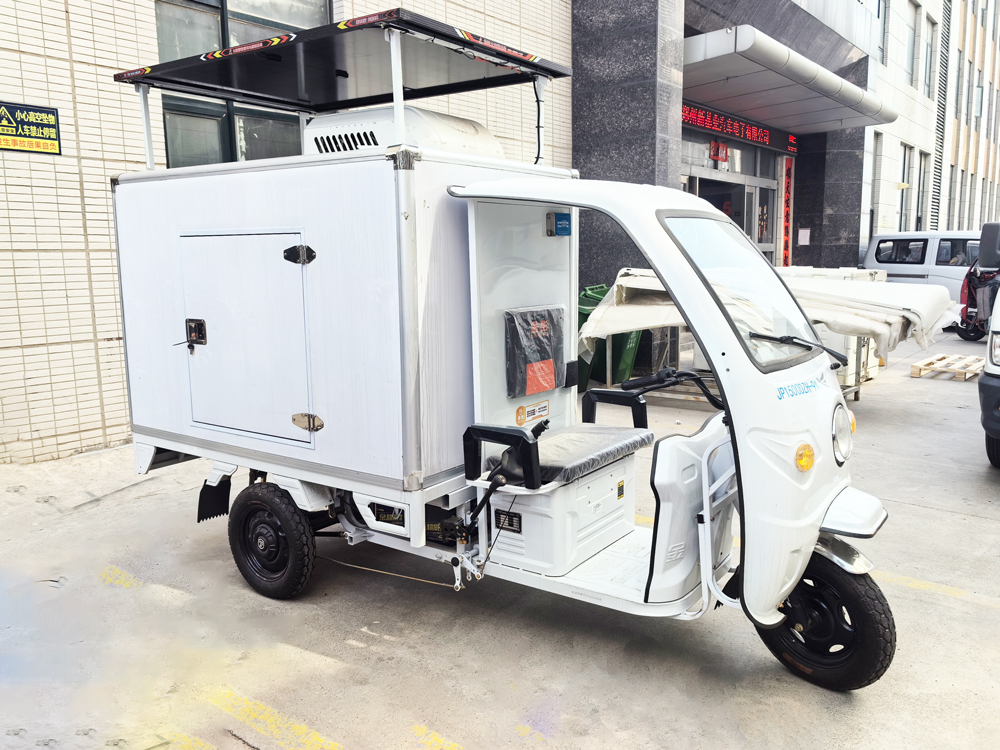
Refrigerated Tricycle becomes an essential asset. These compact vehicles offer the perfect middle ground: the agility of a two-wheeler with the temperature stability of a full-sized truck. By maintaining a constant internal environment, they eliminate the "temperature abuse" that occurs when fresh produce is transported in non-regulated containers, directly reducing the high spoilage rates common in Indian urban delivery.
2. Scaling Supermarket Efficiency
As traditional supermarkets transition into omni-channel hubs, they require a fleet that can handle high-frequency, short-distance trips without skyrocketing fuel costs.
Switching to an electric trike for supermarket home delivery services offers a massive ROI for retail chains. Given the rising cost of petrol in India, electric propulsion cuts operational expenses by up to 60-80% per kilometer. Furthermore, these trikes can be branded as "Green Delivery" units, helping supermarkets align with India’s sustainability goals and appeal to the environmentally-conscious urban consumer.
3. Bridging the Gap: The O2O Strategy
The Online-to-Offline (O2O) model is the backbone of India’s modern fresh food strategy. It requires a seamless flow between physical inventory and digital orders.
A specialized online-to-offline (O2O) fresh food delivery tricycle acts as a mobile extension of the store. Whether it’s fulfilling an app-based order for leafy greens or delivering chilled dairy from a "dark store," these trikes provide the thermal integrity required for O2O success. Their ability to plug into standard power outlets at the back of a store makes them a "plug-and-play" solution for rapidly scaling delivery footprints without investing in heavy infrastructure.
Why the Indian E-Grocery Sector Needs This Tech:
Heat Shielding: Our trikes use advanced insulation materials designed to withstand the 45°C+ heat of the Indian plains.
Quick Commerce Compatible: High-torque motors allow for quick acceleration and efficient navigation through congested "bazaars."
Low Maintenance: Built for the rugged conditions of Indian roads, with reinforced suspension and water-resistant battery compartments.
High Volumetric Capacity: Optimized box designs that can carry more crates than a standard bike, reducing the number of trips required.
Conclusion: Future-Proofing the Grocery Chain
In the competitive landscape of Indian e-commerce, the winner will be the one who can deliver the freshest produce at the lowest operational cost. By integrating specialized refrigerated tricycles into your fleet, you are not just delivering groceries