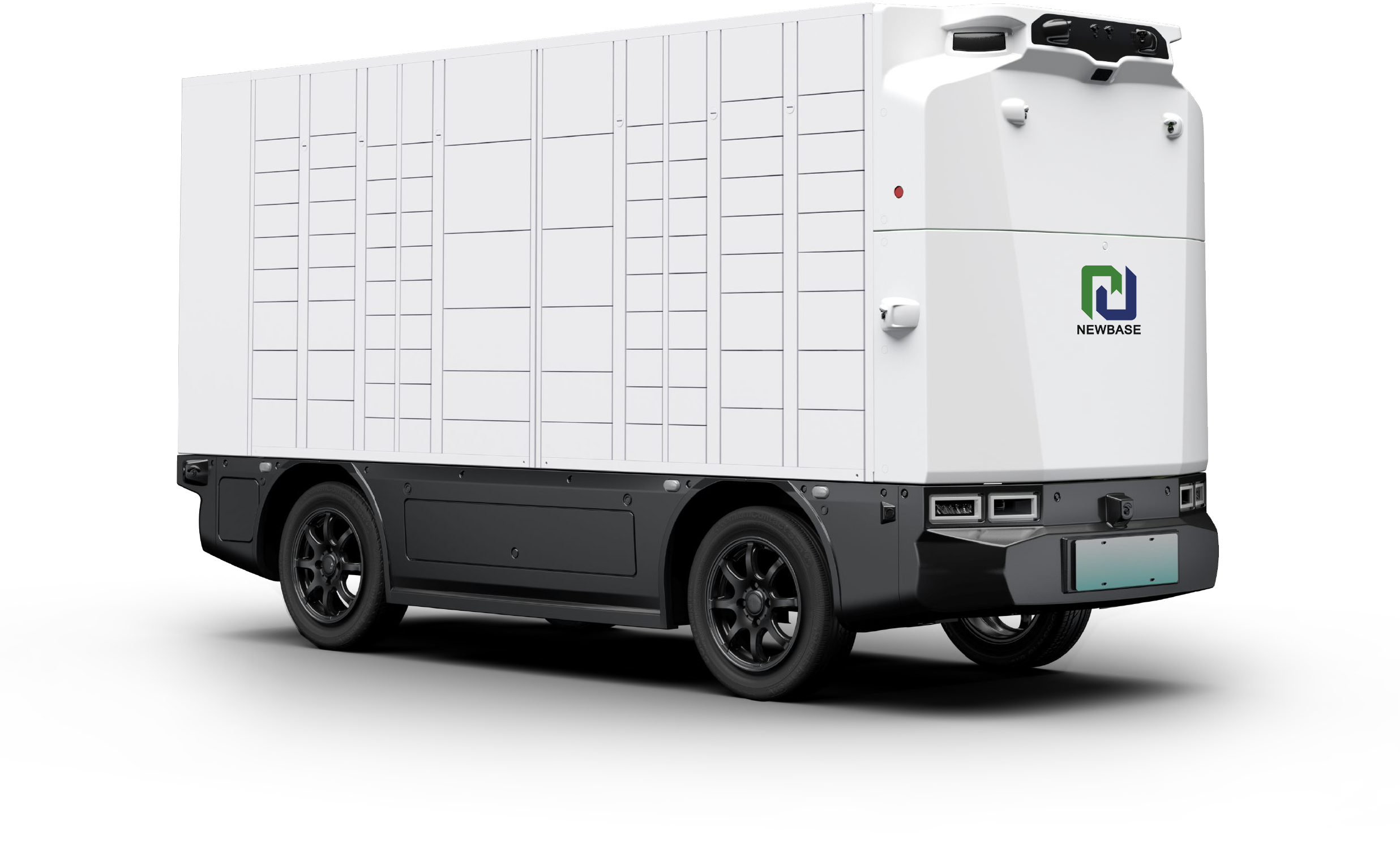
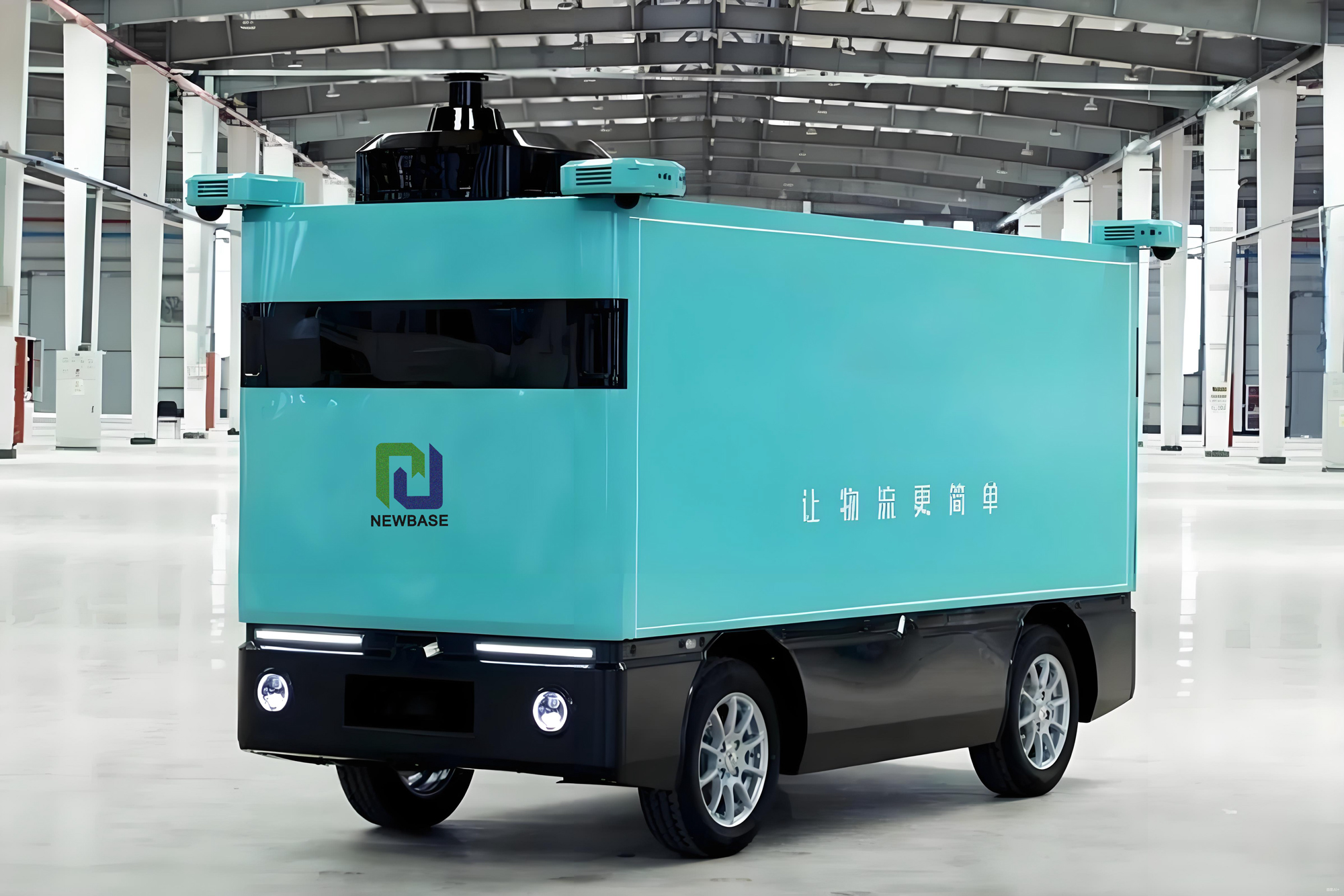
The European autonomous delivery vehicle market is at an inflection point. After years of pilot programs and limited trials, L4 autonomous logistics vehicles are now entering commercial deployment in select European cities, backed by a rapidly evolving regulatory framework that is beginning to provide the legal certainty that fleet operators and logistics companies need to make investment decisions.
For B2B buyers evaluating autonomous delivery solutions, understanding the regulatory landscape is just as important as evaluating the technology itself. A CE certified driverless delivery van for European urban logistics must satisfy requirements that span multiple regulatory domains, from vehicle safety and type approval to data protection and cybersecurity.
This article provides a comprehensive overview of the regulatory requirements, technical specifications, and practical considerations for deploying L4 autonomous delivery vehicles in European urban logistics operations.
The Current State of EU Autonomous Vehicle Regulation
European regulation for autonomous vehicles has evolved significantly in recent years, though the framework remains more complex than in markets like China or the United States.
UNECE WP.29 Framework
The United Nations Economic Commission for Europe (UNECE) World Forum for Harmonization of Vehicle Regulations (WP.29) is the primary body developing international standards for autonomous vehicles. Key developments include:
- Regulation 157 (Automated Lane Keeping Systems - ALKS): Covers L3 autonomous driving on highways, providing a regulatory framework that is being extended to L4 applications
- Task Force on Automated/Autonomous Vehicles: Developing technical requirements for L4 and L5 autonomous vehicles
- Cybersecurity and Software Update Regulations (R155 and R156): Establish cybersecurity and over-the-air update requirements for all vehicles with automated driving functions
While WP.29 regulations are technically UN-level agreements, they are incorporated into EU law through type approval frameworks, making them binding for vehicles sold and operated in the European Union.
EU Type Approval for Autonomous Vehicles
The EU Autonomous Driving Regulation (under EU 2022/1426) amended the existing vehicle type approval framework to include automated driving systems. For L4 autonomous delivery vans operating on European roads, this means:
- The autonomous driving system (ADS) must be type-approved as part of the vehicle system
- The vehicle must demonstrate safe operation within its Operational Design Domain (ODD)
- Safety documentation must include a Safety Management Plan, Operational Safety Case, and evidence of system validation
- Cybersecurity requirements under R155 must be satisfied
- Software update management under R156 must be demonstrated
Operational Design Domain Definition
The ODD defines the specific conditions under which the autonomous system is designed to operate safely. For urban delivery vehicles, the ODD typically includes:
- Geofenced operating areas (specific streets or zones where autonomous operation is permitted)
- Speed range (typically up to 30 km/h for urban delivery)
- Road surface and weather conditions (dry, wet, light snow)
- Time of day (daylight or 24-hour operation depending on sensor capability)
- Traffic conditions (from empty roads to moderate urban traffic)
The L4 fully autonomous logistics van all-weather operation specifications require the vehicle to demonstrate safe operation across all conditions within its declared ODD. Vehicles that claim all-weather capability must show validated performance in rain, fog, and moderate snow conditions, which requires sensor redundancy and advanced perception algorithms.
National and Municipal Regulations
Beyond EU-wide regulations, individual member states and cities have their own rules governing autonomous vehicle operation:
Germany: Has established a legal framework for autonomous vehicles on public roads (Autonomes Fahren Gesetz), making it one of the most progressive EU member states for AV deployment.
France: Has designated test zones and progressive regulations for autonomous delivery in cities including Paris and Lyon.
Netherlands: Actively supporting autonomous logistics pilots in cities like Amsterdam and Rotterdam as part of smart city initiatives.
Spain: Barcelona and Madrid have authorized autonomous delivery trials with municipal permits.
For fleet operators, this means that deployment feasibility varies significantly by location. A vehicle approved for operation in Germany may not be immediately operable in Italy without additional national-type approval or municipal permits.
Technical Requirements for EU-Compliant Autonomous Delivery Vans
Sensor Systems and Redundancy
EU regulations for L4 autonomous vehicles require a level of sensor redundancy that goes beyond what is common in consumer autonomous driving applications:
- Minimum of three independent perception modalities (typically LiDAR, camera, and radar)
- Sensor overlap ensuring that no single point failure creates a blind spot
- Real-time sensor health monitoring with automatic degradation protocols
- Minimum Field of View (FoV) coverage: 360-degree perception with no gaps
For the EU autonomous vehicle regulation compliance for last mile delivery, the sensor suite must be validated for the specific urban environments where the vehicle will operate, including:
- Detection of pedestrians, cyclists, and other vulnerable road users
- Recognition of traffic signals, road signs, and lane markings
- Identification of temporary obstacles (construction zones, parked vehicles, delivery trucks)
- Perception in low-light conditions and adverse weather
Perception and Decision-Making
The autonomous driving system must demonstrate:
- Real-time object detection with classification accuracy exceeding 99.5 percent for critical objects (pedestrians, vehicles, cyclists)
- Prediction of other road user behavior with sufficient lead time for safe response
- Path planning that complies with traffic rules while maintaining delivery efficiency
- Emergency response capability (automatic braking, emergency stop) with response time under 200 milliseconds
Communication Systems
EU regulations require autonomous vehicles to maintain connectivity for both operational and regulatory purposes:
- V2X (Vehicle-to-Everything) communication capability for infrastructure interaction
- 4G/5G cellular connectivity for remote monitoring and fleet management
- Dedicated Short-Range Communications (DSRC) where infrastructure supports it
- Fallback communication protocols for operation in connectivity-challenged environments
Data Recording and Black Box
Similar to aviation standards, L4 autonomous vehicles in the EU must carry a Data Recording System (DRS) that captures:
- All sensor data for at least the 30 seconds preceding any incident
- Vehicle telemetry (speed, heading, acceleration, braking)
- Autonomous system state (perception outputs, decision logs, actuator commands)
- Environmental conditions at the time of any event
This data must be tamper-proof, cryptographically signed, and accessible to authorities for incident investigation.
Preparing for Deployment
For fleet operators considering L4 autonomous delivery van deployment in Europe, here is a recommended preparation timeline:
Phase 1 (Months 1-3): Regulatory Assessment
- Identify target deployment cities and their specific AV regulations
- Engage with municipal authorities regarding permits and operating requirements
- Assess infrastructure readiness (5G connectivity, charging availability, mapping status)
- Engage insurance providers for autonomous vehicle coverage
Phase 2 (Months 4-6): Vehicle Selection and Procurement
- Evaluate L4 autonomous delivery van options against ODD requirements
- Request demonstration vehicles for on-site evaluation
- Negotiate procurement terms including type approval support and warranty coverage
- Plan charging infrastructure and fleet management system integration
Phase 3 (Months 7-12): Pilot Deployment
- Deploy 1 to 3 vehicles in a controlled pilot area
- Operate under supervised conditions to validate real-world performance
- Collect data on delivery efficiency, safety performance, and customer acceptance
- Refine operating procedures based on pilot results
Phase 4 (Month 12+): Scaled Deployment
- Expand fleet based on validated pilot results
- Extend operating area and route coverage
- Optimize fleet management processes for multi-vehicle operation
- Plan for technology updates and sensor system upgrades as the technology evolves
Conclusion
The regulatory framework for L4 autonomous delivery vehicles in Europe is complex but increasingly well-defined. Fleet operators who invest in understanding these regulations and selecting vehicles engineered for compliance from the ground up will be best positioned to capture the efficiency gains and competitive advantages that autonomous logistics offer.
The convergence of regulatory clarity, technology maturity, and growing market demand is creating a favorable environment for autonomous delivery deployment in European cities. Operators who begin their evaluation and pilot programs now will gain valuable operational experience while the market is still developing.
Contact NEWBASE to discuss your European autonomous delivery requirements and learn how our L4 autonomous logistics vans can meet your regulatory and operational needs.