Cold Chain Refrigeration Containers vs. Traditional Freezers: A Comprehensive Cost-Benefit Analysis
Introduction: The Investment Choice Between Static Storage and Dynamic Transport
For supply chain planners, capital expenditure on cold chain infrastructure is a major decision. When designing the supply chain cold chain, the core question is: Should I invest in traditional freezers for long-term, static storage, or modern Cold Chain Refrigeration Containers for flexible, dynamic transport?
While Traditional Freezers excel at long-term, high-volume storage within a facility, their immobility can become a bottleneck in modern Cold storage logistics. Our
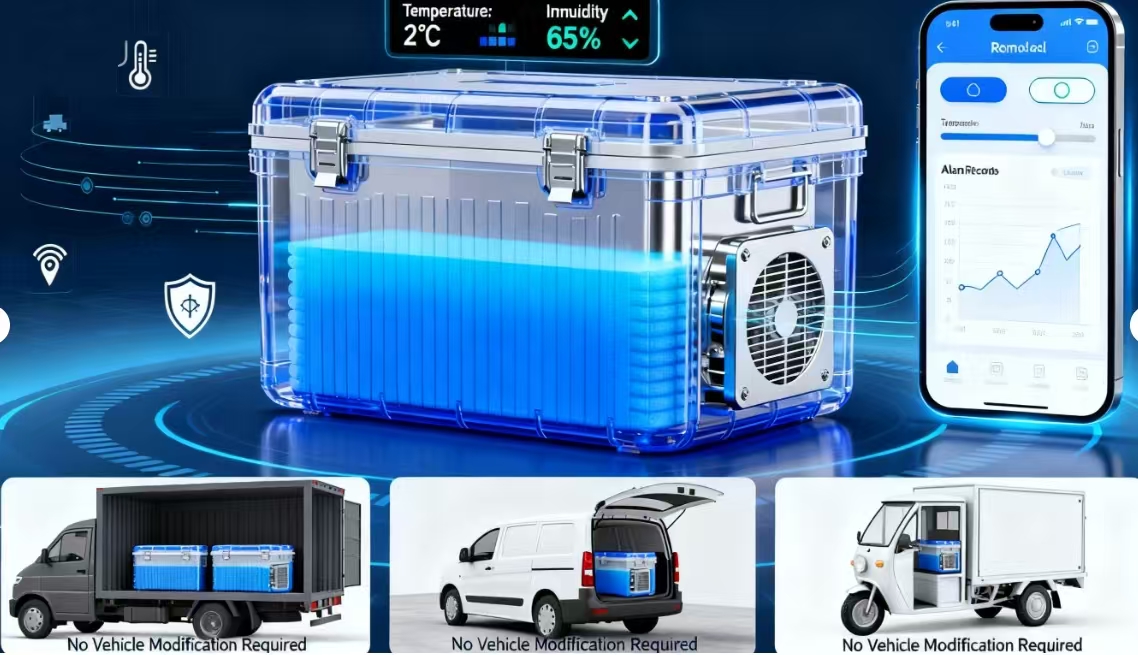
Cold Chain Refrigeration Container represents the evolution of Cold chain technology, integrating transport, storage, and monitoring into one mobile solution.
This article provides a comprehensive cost-benefit analysis to guide your decision, ensuring you choose the right tool for your cold transport strategy.
Solution Definition: Static Storage vs. Dynamic Transport
To accurately compare the two, we must first define the fundamental differences in their purpose and limitations:
Traditional Deep Freezers: The Limitations of a Fixed Asset
A traditional freezer (or pharmaceutical cold storage unit) is a fixed asset designed for powerful, long-term temperature maintenance. Although it can provide extremely low temperatures (e.g., down to -80℃), once cargo needs to leave the facility for cold transport, it requires manual transshipment—transferring the product from the static storage unit into mobile packaging. Each manual transfer is a potential cold chain break point.
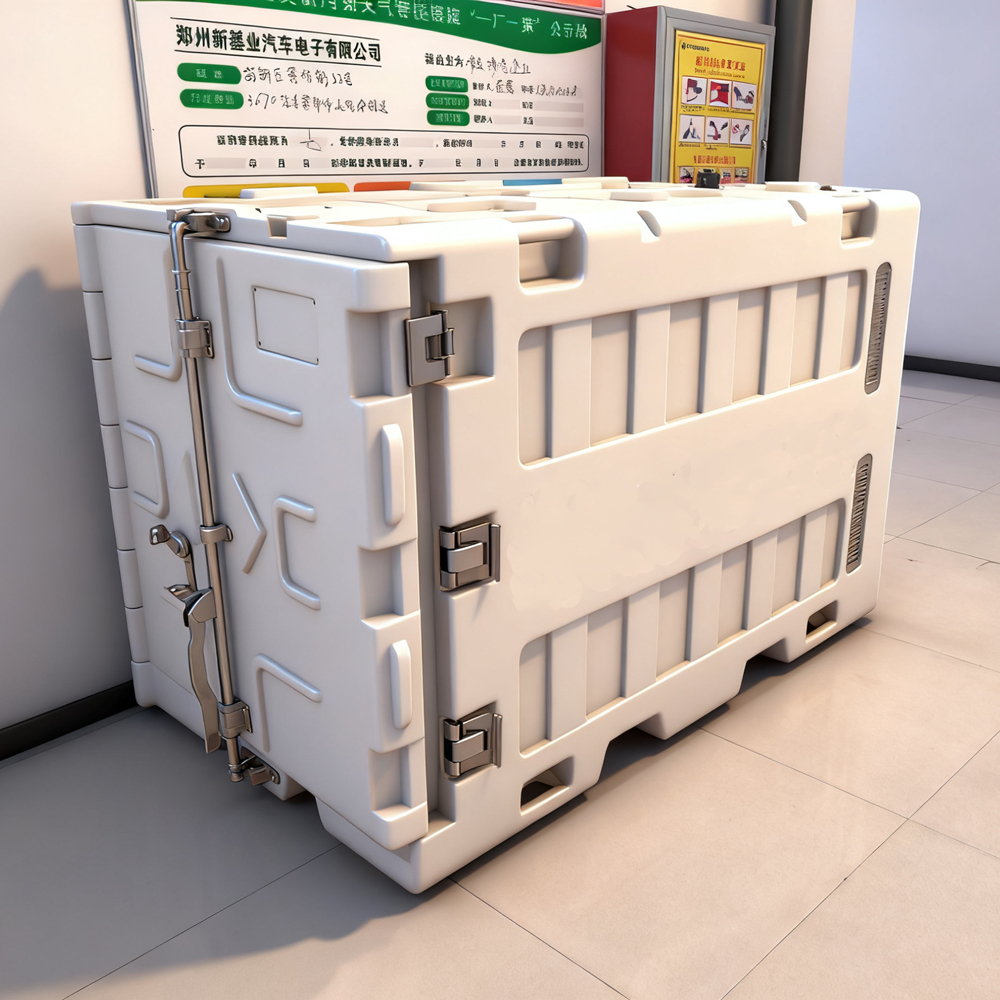
Our Cold Chain Refrigeration Container is a dynamic temperature control unit. It is designed to provide an active, controlled environment where the cargo remains inside the container for its entire journey—whether on a truck, at a port, or during temporary storage.
Core Advantage: The container is the carrier. It features roller wheel design and flexible adaptation design allowing it to adapt easily to various transport types without vehicle modification, granting your cold chain solutions exceptional flexibility.
Performance and Application Comparison
The table below visually highlights the key differences between the two solutions in a logistics environment:
| Feature | Traditional Deep Freezer | Cold Chain Refrigeration Container | Logistics Value |
| Primary Function | Static long-term storage | Dynamic transport and temporary storage | Flexibility and integration |
| Mobility | Low (must be emptied/shut down) | High (Roller wheels, flexible adaptation) | Emergency deployment & multimodal transport |
| Temp. Stability | Wide range (e.g., down to −80°C) | Wide, with active regulation (suitable for +2°C to ultra-low) | Cold transport reliability |
| Real-Time Monitoring | Usually limited to local alarms | Remote GPS and real-time temp/humidity monitoring | Cold storage logistics traceability |
| Power Outage Handling | Relies on backup generators/UPS | Integrated battery pack/Cold storage function | Handling unplanned delays or power loss |
Cost-Benefit Analysis: The TCO Perspective
While the cold storage unit price or cold chain refrigerator price might be the first factor considered in procurement, the Total Cost of Ownership (TCO) clearly favors dynamic solutions in logistics operations.
Reducing Transshipment Costs and Risk
Every transfer of cargo from a freezer to transport packaging is a potential cold chain break point. Our Newbase Container eliminates this step, drastically reducing the risk of high-value cargo loss due to human error or environmental exposure. The ROI from zero loss far outweighs the equipment investment.
Optimizing Facility Footprint
Deep freezer cold chain units require dedicated, fixed space. Our container can be flexibly deployed in a warehouse or idle areas during off-peak seasons, avoiding high maintenance costs for empty, fixed cold rooms and maximizing warehouse utilization.
Energy Efficiency and Maintenance Advantages
Product Benefits: Our container features an Energy-Saving Design to effectively reduce energy consumption. Furthermore, its Modular Design allows the integrated refrigeration unit to be detachable and separable, which simplifies long-term maintenance and replacement, reducing ongoing costs.
Key Selection Criteria for Dynamic Cold Storage
The final investment decision should be based on the practical requirements of Cold chain logistics—namely, controlling risk and maximizing flexibility.
Mandatory Features of a Modern Container
For professionals seeking reliable cold chain solutions, dynamic temperature control equipment must possess the following cold chain technology characteristics:
Active Temperature Control: Must have an integrated refrigeration unit with an efficient compressor/evaporator to provide active cooling and heating.
Remote Intelligence: Remote control and automatic alarms are essential cold chain technology features for managing the entire supply chain.
Rapid Adaptability: Must feature flexible adaptation design and roller wheels for quick movement both within the warehouse and across various vehicle types, supported by various sizes and capacity specifications.
Conclusion
Static freezers and dynamic containers serve different roles in modern Cold chain logistics. However, for contemporary supply chains focused on efficiency and risk mitigation, the advantage in flexibility and control lies firmly with the container.
Choosing your Cold Chain Refrigeration Container means opting for an advanced solution that seamlessly integrates cold storage and cold transport.
When planning your capital expenditure, choose the solution that gives you control over cold transport.
Ready to integrate the most flexible and reliable
Cold Chain Refrigeration Containers into your cold storage logistics network? Contact our experts for a personalized TCO breakdown and solution design.
Mobile Phone :+86 15890051653
Email :melissa@newbasen.com
Website :https://www.newbasecool.com