The Rise of Reverse Cold Chain: Managing Returns in Temperature-Controlled Logistics
Introduction: The Supply Chain Challenge is Not One-Way
For the pharmaceutical, biotech, and high-value food industries, the Supply chain cold chain is far from a simple one-way street. With rising quality standards and consumer expectations, the process of product recalls, returns, or disposal—known as Reverse Logistics—has become a high-cost, high-risk challenge.
This specialized workflow is termed the Reverse cold chain. Failure in this process can lead to significant compliance issues and staggering financial losses. While forward logistics is planned, the unpredictability and demand for absolute security in the reverse process require solutions specifically designed for complex risk management.
This article will analyze the unique complexities of the
Reverse cold chain and demonstrate how Our Newbase
Cold Chain Refrigeration Container becomes essential for optimizing your cold logistics flow through its reusability, easy cleaning, and smart monitoring features.
Why Reverse Cold Chain is More Complex than Forward Logistics
Reverse cold chain operations are often executed under pressure, yet they demand even higher standards for compliance and safety.
Contamination Risk and Isolation Needs
The condition of returned products is often uncertain; they may be damaged, contaminated, or simply nearing expiry. During transit, these returns must be securely isolated to prevent cross-contamination of other compliant products. This necessitates stringent requirements for the cleanliness and reliability of cold chain packaging solutions.
Unplanned Volume and Inconsistent Timing
Unlike the predictability of forward logistics, Reverse cold chain events, such as product recalls, are sudden and require immediate action. This demands that Temperature-controlled logistics companies maintain highly flexible equipment and processes where cold chain services can be rapidly deployed.
Traditional, single-use passive packaging is inefficient and costly for reverse logistics. Companies require specialized, reusable active equipment.
Durability and Reusability
A primary goal of reverse logistics is to reduce the Total Cost of Ownership (TCO). Unlike passive packaging, which is often discarded after one use, our Cold Chain Refrigeration Container is constructed with high-strength composite materials for exceptional durability and a long service life. This reusability is fundamental to achieving a sustainable supply chain cold chain.
Ease of Cleaning and Sanitization
After handling potentially contaminated or compromised goods, thorough cleaning and sanitization of the container is critical.
Key Product Advantage: Our product features an innovative design where the integrated refrigeration unit is detachable and separable from the main cabinet. This significantly facilitates the deep cleaning and disinfection of the container walls, eliminating potential cross-contamination risks before the unit is reused.
Optimizing the Reverse Process: A Three-Step Approach
An effective Reverse cold chain process requires clear phase goals and the right tools. The table below illustrates how our Newbase cold chain solutions provide support at each critical stage:
| Reverse Process Stage | The Challenge | The Solution | Our Container Advantage |
| 1. Collection | Lack of temperature control at the return point; unknown initial temperature compliance. | Must use active temperature-controlled equipment for cold transport. | Self-powered/Active cooling ensures the cargo immediately recovers and maintains precise control from the collection point. |
| 2. Quality Inspection | Need to prove the integrity of the product during the return journey. | Real-time data monitoring and complete transport logs. | Cold chain logistics monitoring provides non-tamperable full-journey temperature data and remote access for quality assurance. |
| 3. Disposition/Re-entry | Safely separating compliant goods from waste; preparing the equipment for the next mission. | Strict sanitation and process separation. | Easy-to-clean modular design ensures the container is thoroughly cleaned and sanitized, minimizing downtime before reuse. |
Cost Reduction and Compliance through Active Reverse Solutions
Applying active solutions to reverse logistics translates cost and risk into efficiency.
Reducing Waste and Disposal Costs
Utilizing reusable cold chain packaging means a significant reduction in the procurement of expensive single-use materials and subsequent waste disposal fees. This benefits both the bottom line and aligns your operations with global sustainability goals.
Accelerating Recall Response
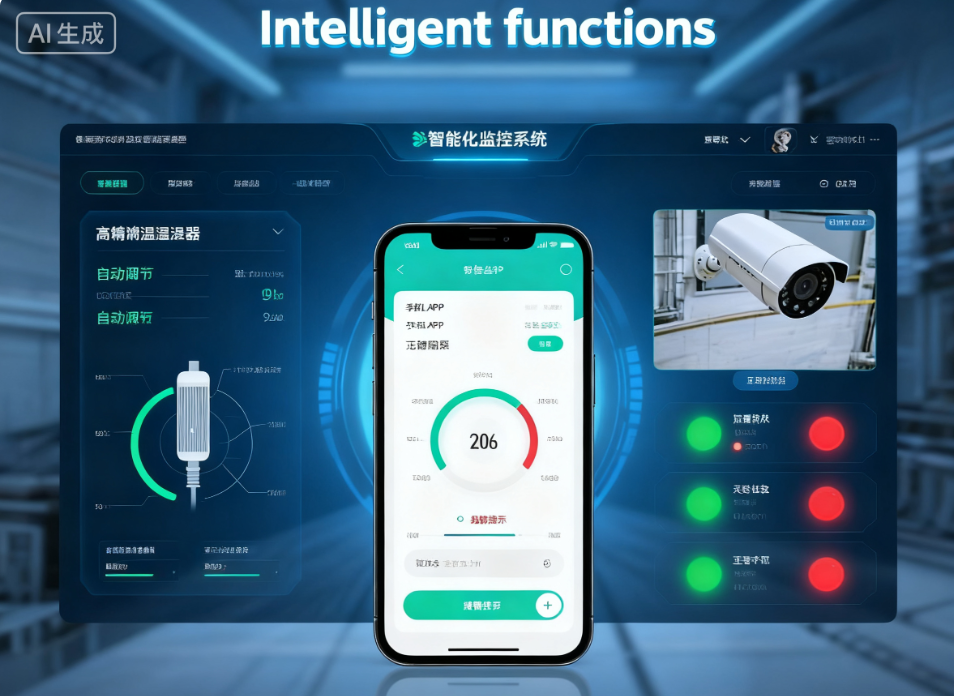
The smart monitoring and flexible adaptation design (for quick loading/unloading) of our product allow your system to be deployed rapidly for urgent recalls. The application of cold chain technology dramatically shortens response time, reducing the company's risk exposure and potential recall costs.
Conclusion
Managing the
reverse cold chain is no longer an afterthought; it must be a front-loaded strategic plan. In the
temperature-controlled logistics sector, companies must choose equipment that supports sustainability, traceability, and ease of sanitation.
Your Active Cold Chain Refrigeration Container provides solutions that far exceed traditional passive packaging, offering the durability, intelligent monitoring, and critical cleanliness assurance required for your returns and recall processes.
Don't compromise your supply chain cold chain integrity. Contact us today to learn how our durable, reusable Active Cold Chain Refrigeration Containers can optimize your returns process, enhance compliance, and significantly reduce your total cost of ownership.
Mobile Phone :+86 15890051653
Email :melissa@newbasen.com
Website :https://www.newbasecool.com