India’s hospitality industry is famous for its grand weddings, vibrant festivals, and world-class hotels. However, managing food quality and safety across diverse outdoor locations—from the beaches of Goa to the royal lawns of Rajasthan—presents a massive logistical hurdle.
As the "Experience Economy" grows, catering businesses and hotel chains are seeking smarter, more mobile ways to keep their offerings fresh and their operations sustainable.
1. The Ultimate Solution for Outdoor Catering
In India, a high-end outdoor wedding can host thousands of guests. Maintaining the temperature of gourmet appetizers, chilled desserts, and premium ingredients in the middle of a remote venue is a challenge that traditional ice boxes can't solve.
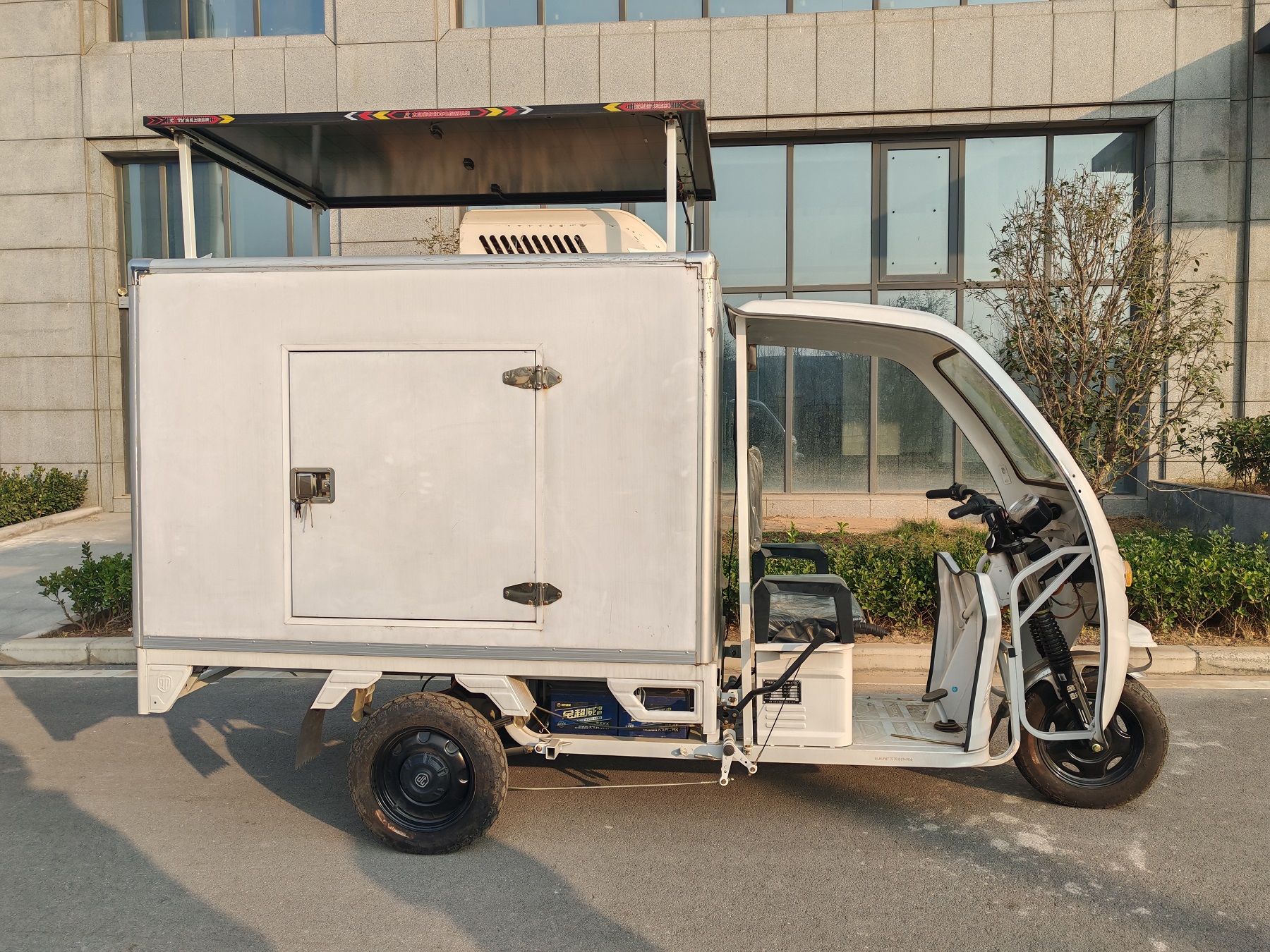
The introduction of a mobile catering refrigerated trike for outdoor events has revolutionized this space. These trikes act as a mobile cold room, allowing caterers to transport and store temperature-sensitive delicacies directly at the event site. Their compact 3-wheel design allows them to be positioned discreetly near the service area, ensuring that every plate served is as fresh as if it came straight from a professional kitchen.
2. Redefining Festival Beverage Service
India’s music and food festival scene is exploding, with events like Sunburn and NH7 Weekender drawing massive crowds. For beverage brands and mixologists, serving drinks at the perfect temperature is the key to customer satisfaction.
A pop-up bar cooling tricycle for festivals provides a stylish and functional solution. These trikes can be customized into branded mobile bars, equipped with heavy-duty refrigeration to keep beer, wine, and craft cocktails chilled for hours. Their mobility allows brand owners to move to high-traffic areas as the festival crowd shifts, maximizing sales while maintaining an eco-friendly, electric-powered footprint.
3. Advancing Sustainability in Luxury Hotels
Beyond guest service, India's luxury hotels are under increasing pressure to manage operations more sustainably. A major part of this is handling food waste in a way that prevents bacterial growth and foul odors, especially in India’s humid climate.
Using a
Refrigerated Tricycle for hotel food waste management (biological control) is a sophisticated approach to back-of-house logistics. By keeping food waste in a chilled environment, hotels can significantly slow down biological decomposition and prevent the spread of pests. This specialized transport ensures that waste is moved from the kitchen to the processing area hygienically, helping 5-star properties maintain their high standards of cleanliness and environmental compliance.
Why the Indian Hospitality Sector is Choosing Our Trikes:
Superior Manueverability: Easily navigate through narrow hotel service elevators, crowded festival grounds, and tight event setups where vans cannot go.
Branding Opportunities: The large box surfaces are perfect for high-impact vinyl wrapping, turning your delivery vehicle into a premium marketing asset.
Silent Operation: The electric motor ensures that guest experiences are never interrupted by the noise or fumes of a traditional engine.
Rapid Deployment: Simply charge and go. These trikes are ready to serve as a "plug-and-play" extension of your kitchen or bar.
Conclusion
From serving the perfect chilled dessert at a Delhi wedding to managing waste at a Mumbai luxury resort, the refrigerated tricycle is becoming the silent partner of India’s hospitality leaders. By investing in these mobile cold-chain solutions, you are choosing a future that is more flexible, more professional, and infinitely cooler.