You have five buildings on campus. Materials move between them forty times a day. Six drivers and three vehicles just to keep the loop running. Nobody audits this line item.
An L4 autonomous driving vehicle for factory logistics replaces repetitive internal shuttle routes on closed campuses, eliminates driver staffing problems, and runs 22-hour continuous shifts — cutting internal transport costs by 60 to 75 percent.
I manage logistics at an automotive parts manufacturing complex in Hamburg. Our facility spans 18 hectares with seven production buildings, two warehouses, and a loading dock 1.2 kilometers from the main gate. We were spending €340,000 per year on internal transport alone. Six full-time drivers. Three diesel shuttle vehicles. The same six routes, driven hundreds of times per day.
This is the most overlooked cost in manufacturing operations. And it is the easiest one to fix with the right technology.
Why Is Internal Campus Transport Such a Massive Hidden Cost?
It does not show up as a separate line on your P&L. It hides inside "operations overhead" or "logistics support." Most operations directors I talk to have never calculated what they actually spend on moving materials between their own buildings.
An autonomous vehicle for closed campus transport operates on pre-mapped internal routes at speeds under 30 km/h. Because the environment is fenced, controlled, and free of public traffic, L4 autonomy works here better than anywhere else. This is the single fastest ROI use case for autonomous vehicles in all of industrial operations today.
When I finally ran the numbers on our internal transport, here is what I found.
| Cost Category | Annual Spend |
| Driver salaries and benefits, 6 FTEs | €240,000 |
| Diesel vehicle fuel and maintenance, 3 vehicles | €60,000 |
| Shift coordination and supervisor overhead | €40,000 |
| Production downtime from transport delays, 18 incidents | €216,000 |
| Total | €556,000 |
Over half a million euros per year to move parts across 1.2 kilometers. That number shocked our board when I presented it.
The Structural Problem With Internal Shuttle Routes
The work itself is not skilled. It is not complex. A driver picks up a pallet at Building A, drives to Building C, drops it off, drives back. Forty times per day. Every day of the week. It is a monitoring job dressed up as a driving job.
And because it is boring, turnover is high. We lost four drivers in one year. Each replacement took three weeks to onboard. During those three weeks, the remaining drivers ran overtime and the routes ran slow. The productivity loss was €12,000 per incident when production lines waited for materials.
This is exactly the profile where a driverless vehicle for internal material handling delivers the fastest payback. The routes are fixed. The speeds are low. The environment is controlled. No pedestrians, no traffic lights, no unpredictable variables.
The Safety Exposure Nobody Talks About
Human-driven internal transport creates safety liability. Speeding in the yard. Blind spot incidents at building entrances. Fatigue during night shifts.
Our facility had three minor yard incidents in the year before we switched. Each one triggered an internal investigation, a corrective action report, and an insurance notification. The administrative cost was roughly €8,000 per incident.
How Does an L4 Autonomous Vehicle Actually Perform on Factory Routes?
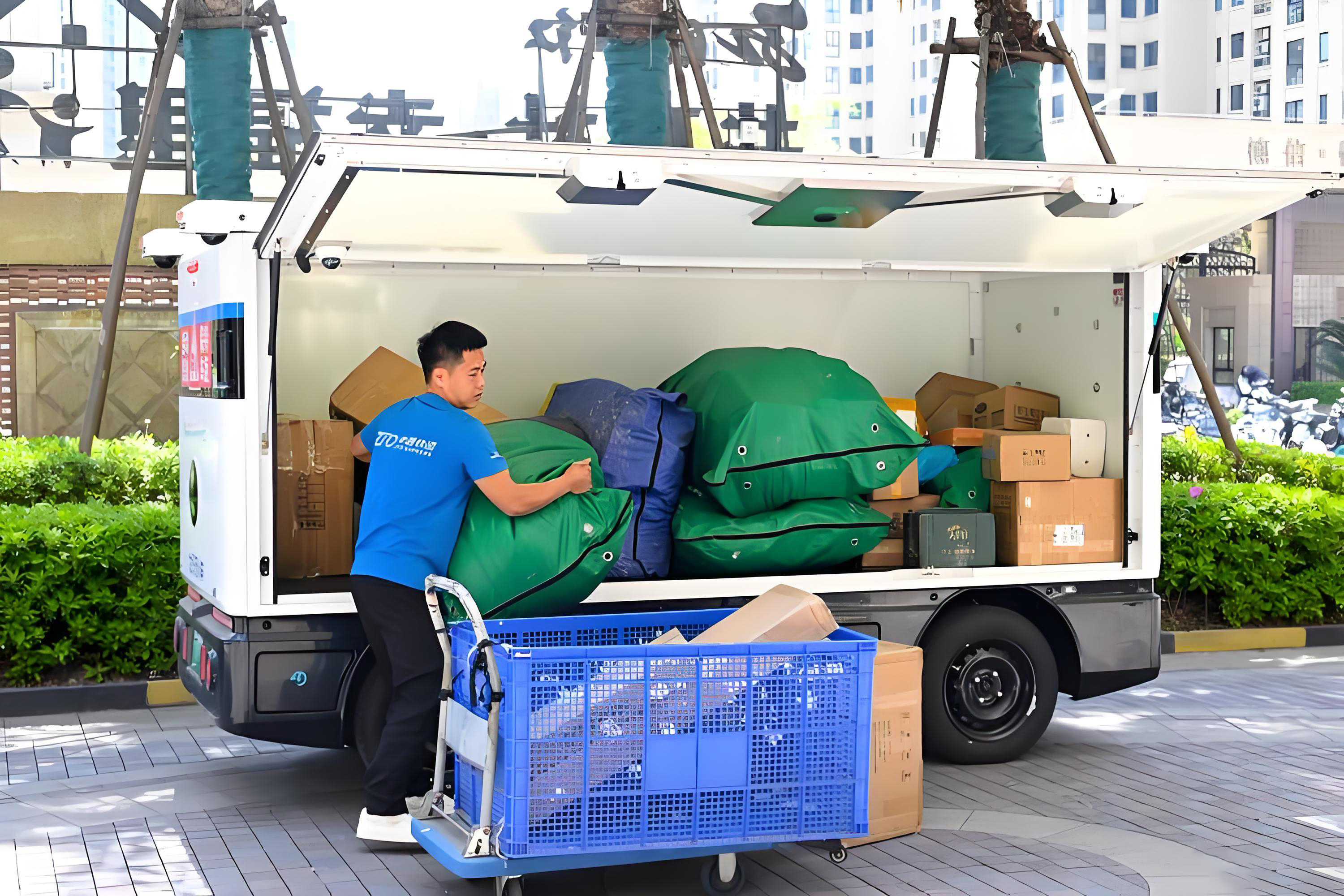
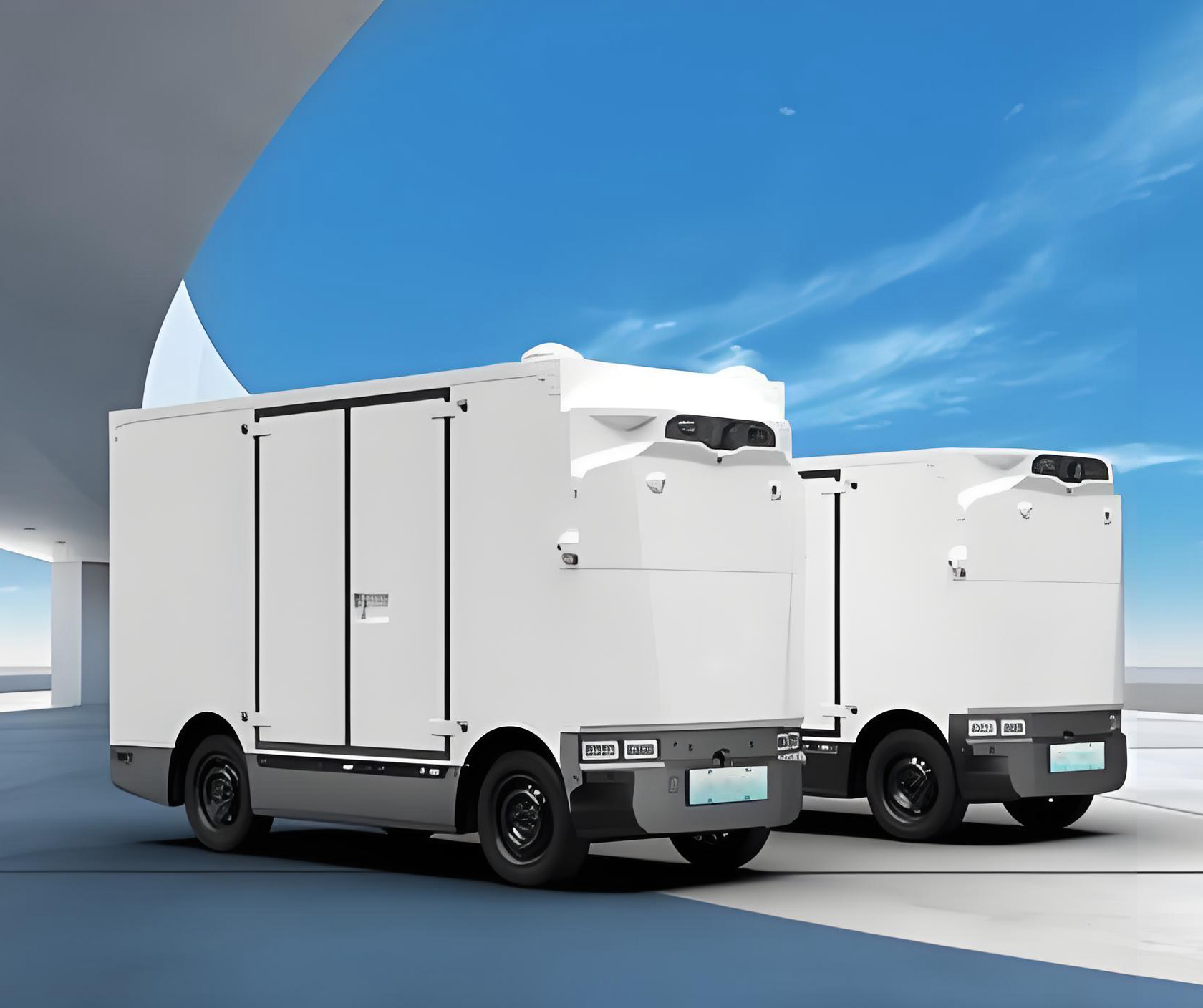
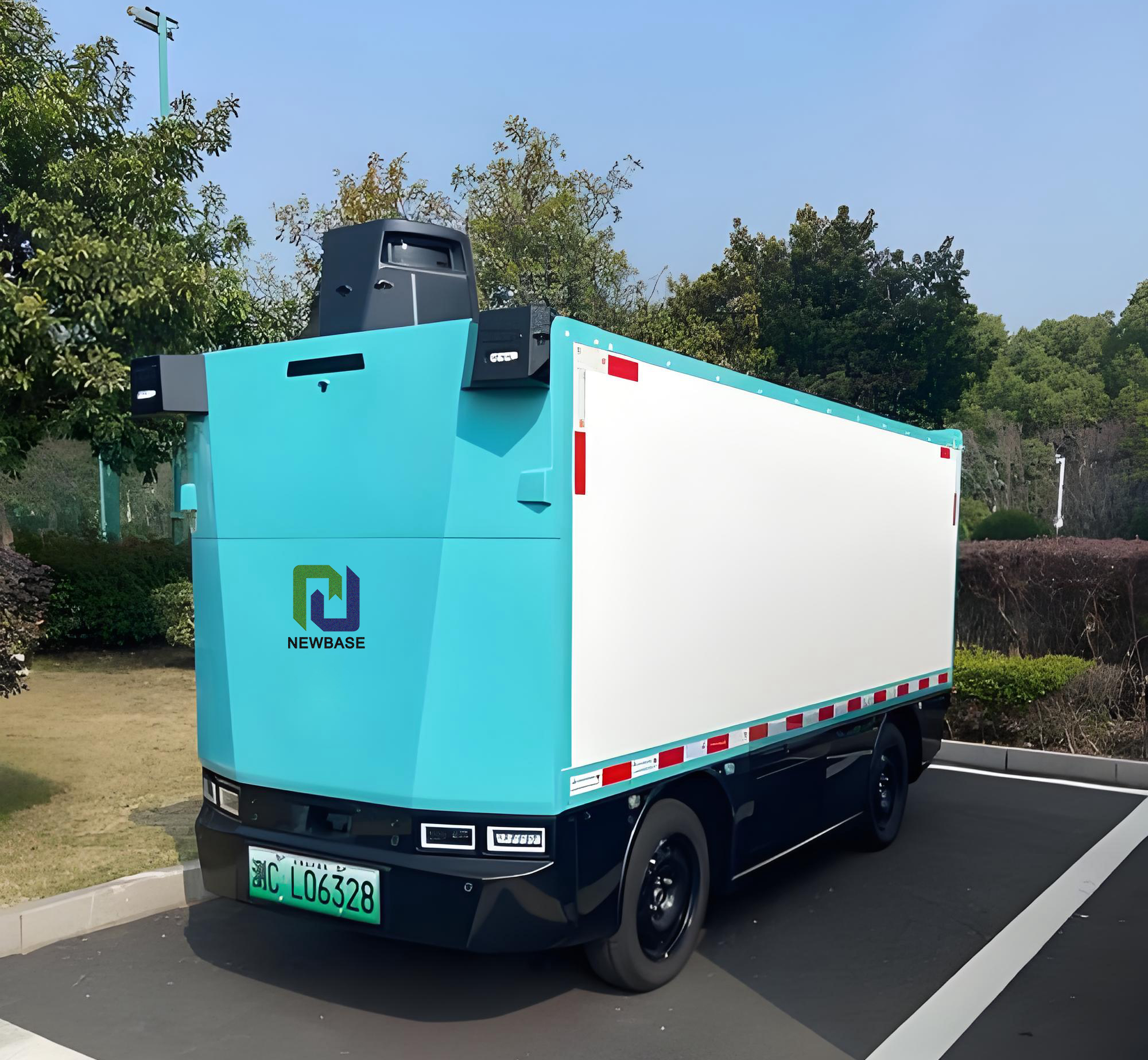
We replaced our three diesel shuttle vehicles with two electric L4 autonomous vehicles. They navigate via LiDAR and GPS on our pre-mapped campus routes and communicate directly with our warehouse management system for loading coordination.
The L4 autonomous vehicle for warehouse yard operations runs 22 hours per day, six days per week. The remaining two hours cover charging and scheduled maintenance. In the first six months, our annual transport cost dropped from €556,000 to €95,000 — an 83 percent reduction.
Here is the side-by-side comparison after six months of operation.
| Metric | Before, Human Drivers | After, L4 Autonomous |
| Operating hours per day | 16 with shift gaps | 22 continuous |
| Annual transport cost | €556,000 | €95,000 |
| Material wait time at production lines | 20 to 45 minutes | Near zero |
| Yard safety incidents per year | 3 | 0 |
| Vehicles needed | 3 | 2 |
| Staffing risk | High turnover | Eliminated |
Where Did the Savings Come From?
The biggest saving was not what I expected. I thought driver wages would be the main factor. Instead, the production downtime elimination was the game changer. When production lines no longer waited for materials, our overall equipment effectiveness improved by 4 percent. That alone was worth more than the driver wages.
Five of six drivers were reassigned to quality control and production support roles. One chose early retirement with a full package. Nobody was laid off. Framing the transition as role upgrades rather than job cuts made all the difference with our workforce.
Temperature-Controlled Internal Routes
Some of our routes move temperature-sensitive materials. Adhesive compounds must stay below 8°C. Pharmaceutical-grade lubricants require 2–6°C transport between clean rooms.
For these routes, we configured the autonomous platform with a
Mini Refrigerated Van cargo module. The vehicle drives itself while the refrigerated bay maintains precise temperature control across the campus. This eliminated a problem that had plagued us for years. Human drivers would sometimes leave the refrigerated bay open during loading, causing temperature spikes that ruined materials. With the autonomous system, the cargo bay stays sealed until the vehicle reaches its destination. Material waste from temperature excursions dropped from €18,000 per year to zero.
What Do Operations Directors Need to Plan Before Deployment?
Based on my experience, here are the three things that will make or break your project.
Map every route before you talk to vendors. You need to know exactly which routes the vehicle will run, how many trips per day, what the cargo looks like, and how loading and unloading works at each end. Vendors will ask for all of this information. Having it ready cuts your evaluation and proposal timeline by weeks.
Solve the loading interface first. The vehicle drives itself. But someone or something needs to load and unload the cargo at each stop. We installed roller conveyors at three of our seven buildings and kept manual loading at the rest. Plan this infrastructure investment upfront. It usually costs 20 to 30 percent of the total project budget.
Start with your highest-frequency, lowest-complexity route. Do not try to automate all internal transport at once. Pick the route with the most trips per day and the fewest variables. Run it for 90 days. Prove the concept. Build confidence with your operations team. Then expand route by route.
The Payback Timeline
Our total project investment was €145,000 for two vehicles plus loading infrastructure upgrades. Annual savings were €461,000. The payback period was under four months.
Even if your numbers are half as good as ours, and I have spoken to other factory operators who report similar results, the payback stays under twelve months. There are very few capital investments in manufacturing logistics that pay for themselves that fast.
A Note on Change Management
Your workers will worry about job losses. Address this directly and early. In our case, we reassigned every driver to a higher-value role. One became a quality inspector. Two moved to production line support. One became our autonomous fleet supervisor, the person who monitors the telemetry dashboard and handles exception cases.
Frame the conversation around upgrading roles, not eliminating them. That is the truth, and it makes the transition smooth for everyone.
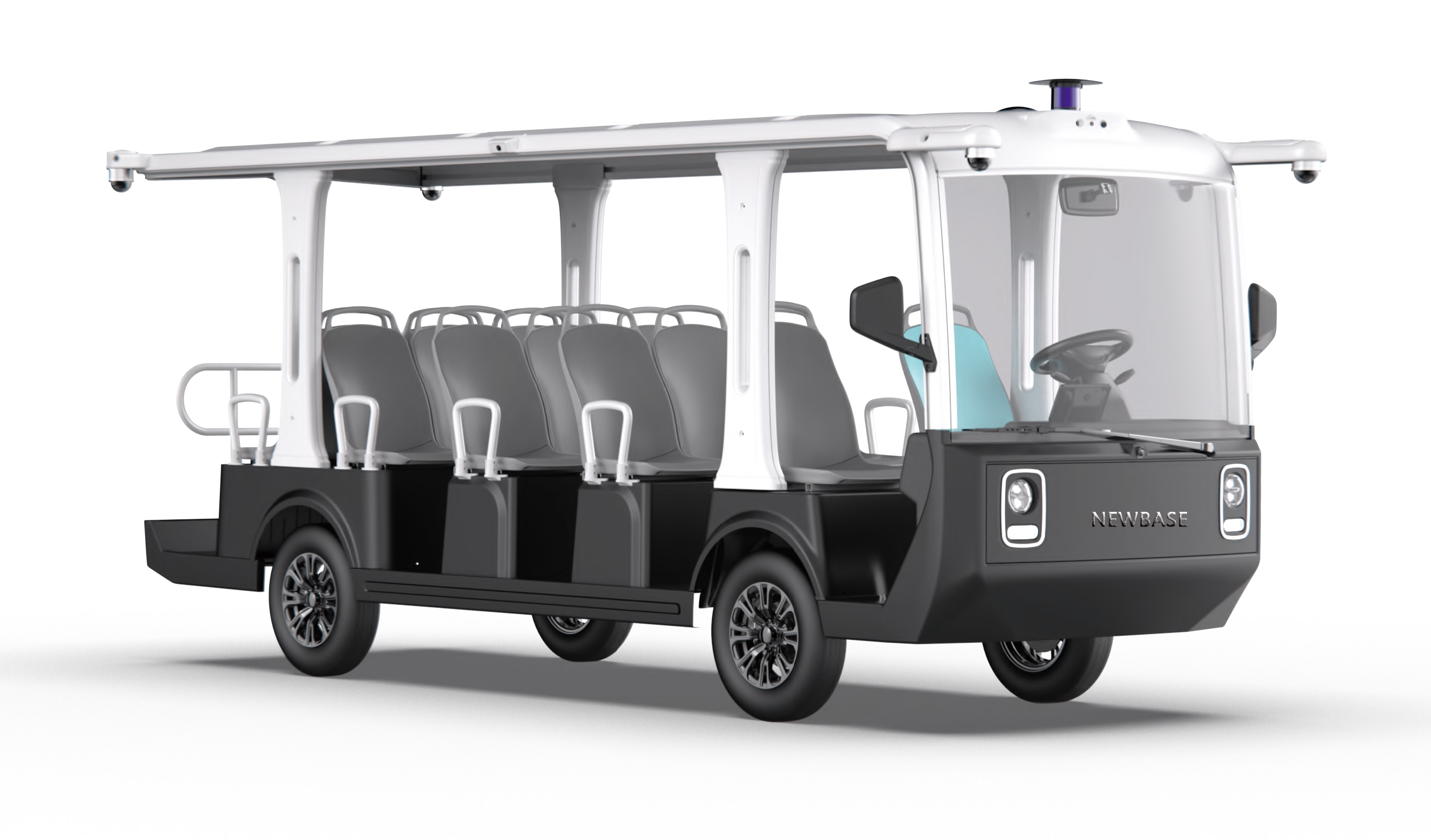
NEWBASE has been building L4 autonomous vehicles for industrial and logistics applications since 2007. Models include the Z5, Z8, and Z8Max, all configurable for cargo transport with integrated cold chain options. Over 1 million kilometers of real-world L4 operation. ISO 9001 and IATF 16949 certified. Exported to 30+ countries.
Conclusion
An L4 autonomous driving vehicle for factory logistics eliminates the most overlooked cost in manufacturing. On closed campuses with fixed routes, it cuts internal transport costs by 60–75% and pays for itself in under twelve months.