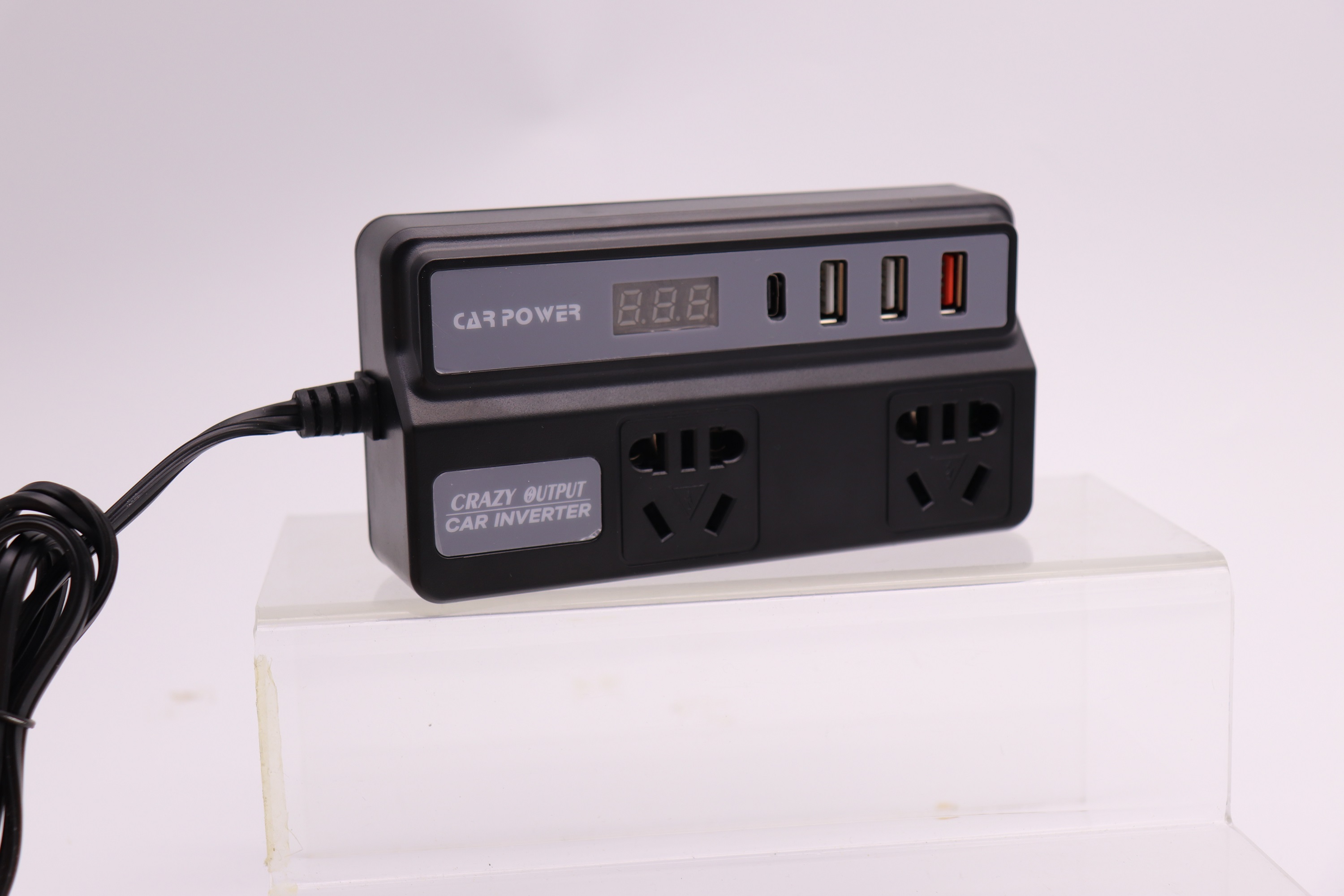
Knowing how to fix inverter overheating before it causes a shutdown is not optional — an overheating inverter that cuts out mid-shift costs a service truck an estimated 400 per hour in lost productivity. The good news: 85% of overheating issues are preventable with the right installation, ventilation, and maintenance habits.
Overheating is the #2 most common inverter failure mode in commercial trucks (after low voltage), and it hits fleets in construction, mining, and utility sectors hardest — especially during summer months when under-hood and cab temperatures can exceed 60°C (140°F). Most modern inverters have thermal protection that shuts them down before damage occurs, but repeated thermal cycling shortens component life and leads to early failure. In this guide, we break down truck inverter overheating causes and solutions, explain inverter thermal derating high temperature commercial performance curves, and give you a step-by-step framework for how to fix inverter overheating in work truck fleets you can use on any truck in your fleet. NewBase field service data shows that fleets that follow proper thermal management guidelines see 60–70% fewer inverter heat-related failures.
Why Do Truck Inverters Overheat? (6 Root Causes)
An inverter generates heat because no power conversion is 100% efficient — a typical 90% efficient 2000W inverter produces about 200W of waste heat at full load, roughly the output of a small space heater. When that heat cannot escape fast enough, internal temperatures rise and the inverter shuts down.
1. Insufficient Ventilation (Most Common)
This is the #1 cause of inverter overheating in commercial installations. Many installers tuck inverters into tight spaces — under seats, behind panels, in sealed compartments — thinking "it's small, it will be fine." It is not fine.
What happens: The inverter recirculates its own hot air instead of drawing in cool ambient air. Temperature climbs rapidly under load.
Typical scenario: A service van with the inverter mounted in a sealed rear compartment that also contains a
Battery Charger and tool batteries. Under summer conditions, compartment temperature hits 55°C+ and the inverter derates or shuts down within 15–20 minutes of full-load operation.
2. Running at Continuous High Load (Thermal Derating)
All inverters have a thermal derating curve — above a certain ambient temperature, the inverter can no longer deliver its full rated wattage continuously.
How inverter thermal derating high temperature commercial works:
- Below 25°C ambient: 100% continuous output
- 25–40°C: roughly 90–100% output
- 40–50°C: 70–85% output (varies by model)
- Above 50°C: 50–70% output or thermal shutdown
This means a 3000W inverter installed in a truck that regularly sees 45°C ambient temperatures may only deliver 2200–2500W continuously — not the 3000W on the spec sheet. Fleets that size their inverter based on the nameplate rating alone frequently encounter thermal shutdowns in hot climates.
3. Dirty or Blocked Cooling Vents
Work trucks get dusty. Construction sites, mining operations, and agricultural environments fill the air with dust, dirt, and debris that gets pulled into the inverter's cooling vents.
What happens: A dust layer on heat sinks and fan blades acts as insulation, reducing heat dissipation by 20–40%. The inverter runs hotter, fans work harder, and the cycle accelerates.
Field data: In mining fleets, inverters that are not cleaned monthly run 15–25°C hotter than clean units, and their average service life drops by 40%.
4. Failed or Failing Cooling Fan
Most mid-to-high-power inverters (500W+) use one or more cooling fans to force air through the heat sinks. Fan failure is a silent problem — the inverter still works, but it overheats under load.
Symptoms:
Inverter runs fine at low power but shuts down quickly at >50% load
You do not hear the fan spinning when you know it should be
Inverter case gets hotter than normal at the same load level
NewBase commercial inverters use variable-speed fans with sealed bearings rated for 50,000+ hours of operation, but even premium fans can fail prematurely if exposed to heavy dust or corrosive environments.
5. Poor Installation Location
Where you mount the inverter matters more than many fleets realize.
Bad locations:
Direct sunlight (dashboard or window-mounted units)
Near engine exhaust or heating vents
In engine compartments
Against a hot metal bulkhead that conducts engine heat
Inside a sealed plastic or wooden enclosure
Good locations:
In a shaded, well-ventilated cab area
With at least 10cm (4 inches) clearance on all vented sides
Near a source of cool outside air
Mounted vertically (the way the manufacturer designed it) for best convection
6. Internal Component Degradation
After years of thermal cycling, internal components — especially electrolytic capacitors and power semiconductors — degrade and become less efficient. A 5-year-old inverter that ran fine when new may now overheat at the same load level.
This is the least common cause — less than 10% of overheating complaints trace to internal degradation — but it becomes more likely in older units that have had a hard service life.
✅ Bottom line: The 85/5 rule applies to overheating — 85% of cases are caused by just 5 issues (poor ventilation, continuous high load in hot weather, dirty vents, failing fan, bad location). Start with these five before suspecting internal component failure.
How to Fix Inverter Overheating: Step-by-Step Diagnostic Guide
When your inverter overheats, work through these steps in order. Most fleets find the issue by step 3.
Step 1: Check the Basics First
Before you do anything technical, rule out the obvious:
Touch the case — is it actually hot, or is the fault light lying? (Faulty temperature sensors are rare but do happen.)
What is the ambient temperature? If the truck is parked in direct sun at 38°C (100°F) and the inverter is in an unventilated compartment, 45–50°C internal temperature is expected.
What load are you running? A 1500W load on a 2000W inverter in 40°C heat is pushing the unit near its thermal limit.
Can you hear the fan? Put your ear near the vent grille. No fan noise = likely fan failure.
If everything looks normal but the inverter still overheats, move to step 2.
Step 2: Inspect and Clean Vents & Fans
This is the single most effective fix for fleet-wide overheating issues.
How to clean:
Power off the inverter and disconnect both DC and AC
Use compressed air (30–50 PSI) to blow out dust from the vent grilles
Blow from the inside out if possible — otherwise alternate directions
Use a soft brush to dislodge stubborn dust buildup on heat fins
Inspect fan blades for damage and excessive play in the bearings
Reassemble and test under load
Fleet maintenance best practice: Add inverter vent cleaning to your monthly preventive maintenance checklist for every work truck. It takes 5 minutes per unit and prevents 60%+ of overheating-related service calls.
Step 3: Improve Ventilation and Airflow
If cleaning did not fix it, the next step is ensuring the inverter gets enough cool air.
Quick checks:
Is there at least 10cm clearance on all sides with vents?
Is air able to circulate freely, or is the inverter in a sealed box?
Is cool air available, or is it breathing recirculated hot air?
Solutions, from simple to involved:
Move the inverter to a better-located area (if space allows) — this is ideal
Drill ventilation holes in the compartment or enclosure (use screened holes to keep bugs and dust out)
Add a vent fan to the enclosure — even a small 50mm fan moving 10 CFM can cut compartment temperature by 10–15°C
Install ducting to pull cool outside air directly into the inverter's intake vent — the gold standard for hot-climate fleets
Zhengzhou Newbase Auto Electronics Co., Ltd. recommends that all commercial installations follow a minimum 10cm clearance rule and provide supplemental forced ventilation for inverters rated above 1500W in hot climates.
Step 4: Right-Size Your Inverter for Thermal Conditions
If your inverter runs at 80–90% of its rated capacity most of the time and you operate in a hot climate, it will always live on the edge of thermal shutdown.
The rule of thumb for hot environments: Size your inverter so your continuous load is no more than 60–70% of the inverter's rated output. This gives you thermal headroom.
Example: If your continuous load is 1800W:
A 2000W inverter will run at 90% load — risky in hot weather
A 3000W inverter runs at 60% load — runs cool, lasts longer
Yes, the 3000W inverter costs more upfront. But a 2000W unit that dies in 18 months from thermal stress costs more in the long run than a 3000W unit that lasts 5+ years. NEWBASE technical support can help you model the right inverter size for your specific load profile and climate conditions.
Step 5: Replace a Failing Fan
If the fan is not spinning but everything else checks out, the fan needs replacement.
Options:
Warranty repair — if the unit is under warranty, contact the manufacturer
Third-party fan replacement — a qualified technician can swap in a compatible fan
External fan upgrade — some fleets add an external cooling fan that blows across the inverter's heat sink as a workaround
⚠️ Safety note: Never open an inverter yourself unless you know what you are doing. High-voltage capacitors inside can hold a dangerous charge even when the unit is disconnected from power.
Step 6: When to Replace the Inverter
If you have gone through steps 1–5 and the inverter still overheats, the unit likely has internal component degradation. Signs that it is time to replace:
It overheats at low load (below 30% of rating)
Thermal shutdown happens faster each time
You can smell burnt electronics or see discolored components
The unit is more than 5–7 years old and has seen heavy use
✅ Bottom line: 90% of the time, how to fix inverter overheating in work truck fleets comes down to three actions: clean the vents, improve ventilation, and right-size the unit. Add monthly vent cleaning to your PM checklist and you will eliminate the majority of heat-related failures before they happen.
FAQ
Q: What are the most common truck inverter overheating causes and solutions for construction fleets?
The #1 cause in construction fleets is dust-clogged vents and heat sinks — job site dust gets pulled into the inverter and insulates the cooling surfaces. The solution is monthly compressed-air cleaning (5 minutes per unit) and installing screened vent covers to reduce dust intake. The #2 cause is undersized inverters running at 80–90% load in summer heat — the solution is upsizing by one power class so continuous load stays under 70% of rating. The #3 cause is poor installation locations (sealed toolboxes, under hot floorboards) — the solution is relocation or adding forced ventilation. These three account for 90%+ of all truck inverter overheating causes and solutions field service calls in the construction sector.
Q: How does inverter thermal derating high temperature commercial operation affect my fleet's power planning?
Thermal derating means your inverter's real-world continuous output is lower than its nameplate rating when operating above 25–30°C ambient. For fleets in hot climates (summer temperatures above 35°C), you should assume a 20–30% derating factor when sizing inverters. For example, if you need 2000W continuous in a 45°C environment, you should spec a 3000W inverter, not a 2000W unit. Ignoring thermal derating is the #1 reason fleets report "the inverter is rated for 2000W but it shuts down when I plug in my 1800W tool." Always look at the manufacturer's derating curve, not just the headline wattage number.
Q: Can overheating permanently damage my truck inverter, and how do I know if it has?
Yes, repeated overheating causes permanent damage — each thermal cycle stresses capacitors, solder joints, and power semiconductors, gradually degrading performance and reliability. Signs of permanent heat damage include: the inverter now overheats at lower loads than it used to, output voltage drops under load, the unit has a burnt electronics smell, or the fault light comes on almost immediately at moderate load. If you notice any of these, the inverter is on borrowed time and should be replaced before it fails completely — a planned replacement during a scheduled maintenance window is far cheaper than an unexpected failure mid-job.