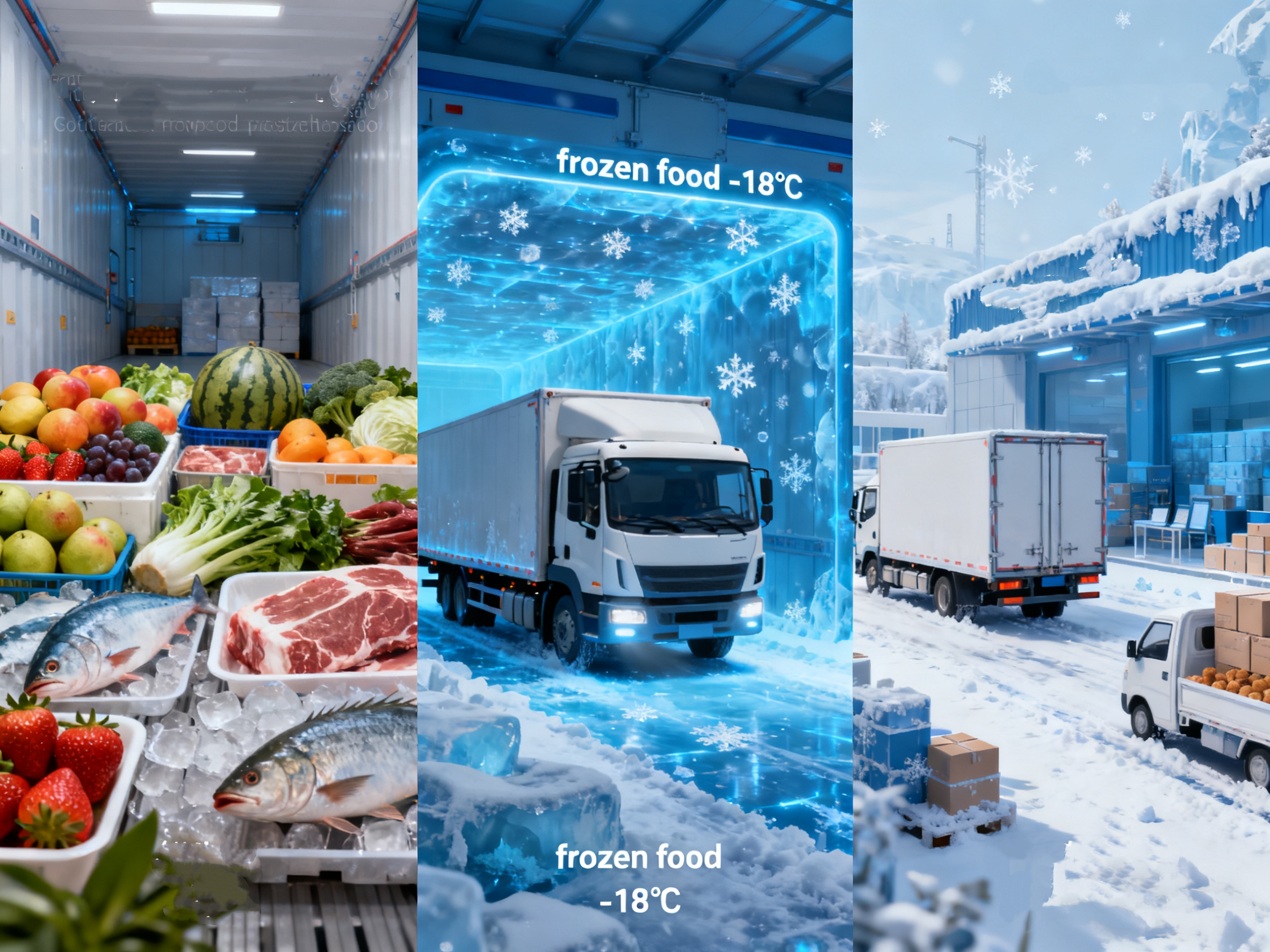
Our warehouse hit 98% capacity last December. Orders were up 40% for the holiday season. I called three cold storage providers to rent overflow space. The cheapest quote was $12,000 per month. The nearest available facility was 45 minutes away. I needed a faster and cheaper solution.
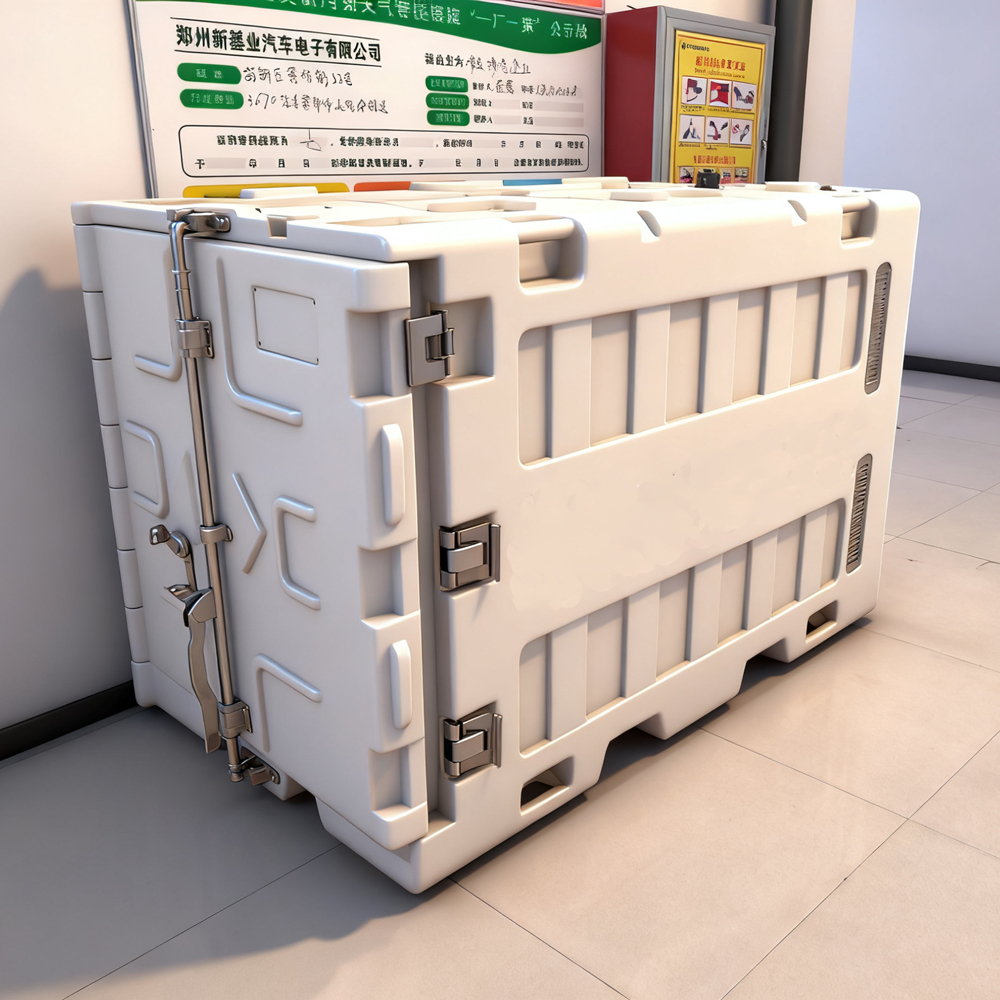
A cold chain container solves the overflow problem without building a new warehouse. A standard 40-foot refrigerated container provides 67 cubic meters of temperature-controlled storage at a fraction of the cost of permanent construction. It plugs into your existing power supply, arrives on a flatbed truck, and is operational within 4 hours of delivery.
I rented two containers that December. They sat in our loading yard. My team loaded and unloaded them just like any other cold room. The temperature held steady at -18°C the entire time. Here is what I learned about using containers as cold storage.
How Does a Cold Chain Container Work as Temporary Cold Storage?
I had never thought of a shipping container as a walk-in freezer. But that is exactly what it becomes when you plug it in. A cold chain container for cold storage uses the same refrigeration technology as a permanent cold room. The walls are insulated with 80 to 100 mm polyurethane foam. The cooling unit sits at one end and circulates cold air through the entire interior.
The key advantage is speed. A permanent cold storage expansion takes 6 to 12 months to plan, permit, and build. A portable refrigerated container for warehouse overflow arrives in 1 to 2 weeks after ordering. It needs a flat concrete surface, a 32-amp power connection, and nothing else. My two containers were up and running the same day they were delivered.
Permanent Cold Room vs Container: What Is the Real Difference?
| Factor | Permanent Cold Room | Cold Chain Container |
| Lead time | 6 to 12 months | 1 to 2 weeks |
| Cost per m³ (first year) | $800 to $1,200 | $200 to $400 |
| Flexibility | Fixed location, fixed size | Move anywhere, swap sizes |
| Maintenance | Your responsibility | Often included in rental |
What Size Container Do You Need?
I calculated my overflow need based on pallet count. During peak season, I needed space for 40 extra pallets of frozen goods. A standard 40-foot container holds 24 Euro pallets. So I ordered two containers and had room to spare.
| Container Size | Internal Volume | Euro Pallet Capacity | Monthly Rental Cost |
| 10 ft | 15 m³ | 4 pallets | $600 to $900 |
| 20 ft | 33 m³ | 10 pallets | $900 to $1,400 |
| 40 ft | 67 m³ | 24 pallets | $1,400 to $2,200 |
| 40 ft HC | 76 m³ | 28 pallets | $1,600 to $2,500 |
Should You Rent or Buy a Cold Chain Container?
This was the decision I faced in January. The holiday surge was over, but my baseline storage need had grown by 20%. I needed to decide whether this was a permanent problem or a temporary one.
The cold chain container rental vs buy decision depends on three questions. First, how many months per year do you need the extra space? Second, is your growth trend upward? Third, do you have the capital for a purchase? If you need overflow space for more than 8 months per year and your volume is growing, buying is usually cheaper over three years. If your need is seasonal, renting gives you flexibility.
Rent vs Buy: 3-Year Cost Comparison
I ran the numbers for a 40-foot container over three years.
| Cost Item | Rent (3 years) | Buy |
| Monthly payment | $1,800 x 36 = $64,800 | $0 (after purchase) |
| Purchase price | $0 | $28,000 |
| Delivery and setup | Included | $1,500 |
| Power consumption | Included | $7,200 (3 years) |
| Maintenance | Included | $2,400 (3 years) |
| Resale value | $0 | -$10,000 |
| Total 3-year cost | $64,800 | $29,100 |
Buying saved me $35,700 over three years. But renting gave me the flexibility to return the container when I did not need it. In year one, I rented for 5 months during peak season. In year two, I rented for 8 months. In year three, I bought because I needed it year-round.
A Decision Framework
| Your Situation | Recommendation |
| Need less than 6 months per year | Rent |
| Need 6 to 8 months per year | Rent with purchase option |
| Need year-round and growing | Buy |
| Uncertain future volume | Rent first, decide after 12 months |
| Multiple sites need rotation | Rent for flexibility |
What Mistakes Do Warehouses Make with Container Cold Storage?
I see three common mistakes. The first is placing the container on uneven ground. The door will not seal properly. Cold air leaks out. The cooling unit runs constantly. I learned this when my first month power bill was 30% higher than expected. I leveled the ground with concrete blocks and the problem disappeared.
The second mistake is overloading the container past the air circulation line. Every container has a red line on the interior wall. If you stack cargo above that line, you block the airflow from the cooling unit. The back of the container stays warm while the front gets too cold. Always leave at least 15 cm of space between the top of your cargo and the ceiling.
The third mistake is ignoring the door seal. Open the door, count to ten, close it. If you feel cold air rushing out around the edges, the seal needs replacing. A worn seal can increase your energy cost by 20 to 30%.
For businesses that want to go further, the future of cold storage includes automation. An
L4 Level Autonomous Driving Vehicle can move containers from port to warehouse yard without a driver, reducing handling costs and scheduling delays.
Conclusion
A cold chain container gives you cold storage expansion in days instead of months, at a fraction of the cost. Rent for seasonal overflow. Buy for year-round needs. Level the ground, respect the load line, and check the door seal. The right approach depends on how many months per year you need the extra space.
My Role
About me
I am the operations director at NEWBASE, a company based in Zhengzhou, China. We design and build L4 autonomous vehicles and smart cold chain solutions. Over the past 18 years, we have shipped more than 20,000 cold chain units to over 30 countries. Our products include modular cold storage containers, refrigerated vehicles, and autonomous logistics platforms. We hold more than 200 patents.
About the author
Michael Torres is a warehouse operations consultant based in Dallas, Texas. He has spent 15 years helping distribution centers and 3PL providers optimize cold storage capacity and reduce overflow costs using modular refrigerated container solutions.