I have spent years observing the evolution of supply chains, and if there is one thing that keeps logistics managers awake at night, it is the last-mile delivery. It is the most expensive, least efficient, and most complex part of the journey.
Today, I want to share why I believe the Autonomous Delivery Van is no longer a futuristic concept but a present-day necessity for urban logistics.
The Growing Pain of Urban Last-Mile Delivery
Urban centers are becoming more congested. With the explosion of e-commerce, the demand for quick deliveries has reached an all-time high. However, the traditional model is hitting a wall.
Why traditional vans are no longer enough
Labor Shortages: Finding reliable drivers is increasingly difficult and costly.
Operational Inefficiency: Human drivers are limited by shift hours, fatigue, and the need for breaks.
Environmental Impact: Conventional internal combustion engine (ICE) vans contribute significantly to urban carbon footprints.
As someone deeply embedded in this industry, I’ve seen companies struggle to balance rising costs with customer expectations. This is where Urban Logistics Solutions must pivot toward automation.
Our Vision: Integrating L4 Autonomy into Daily Logistics
When we talk about an
Autonomous Logistics Vehicle (ALV), we aren't just talking about a "smart car." We are talking about Level 4 (L4) Autonomy.
L4 means the vehicle can perform all driving functions under specific conditions without human intervention. In my view, this is the "sweet spot" for logistics. It allows a Last-mile Delivery Robot to navigate complex city streets, recognize traffic signals, and avoid pedestrians—all while maintaining a rigorous delivery schedule.
Our vision is a world where logistics never sleeps. A world where a fleet of autonomous vans operates quietly in the background, making cities more livable and businesses more profitable.
How Autonomous Logistics Vehicles (ALVs) Bridge the Gap
You might ask, "What makes these vehicles different from the small sidewalk robots we see in some cities?" The answer lies in capacity and capability.
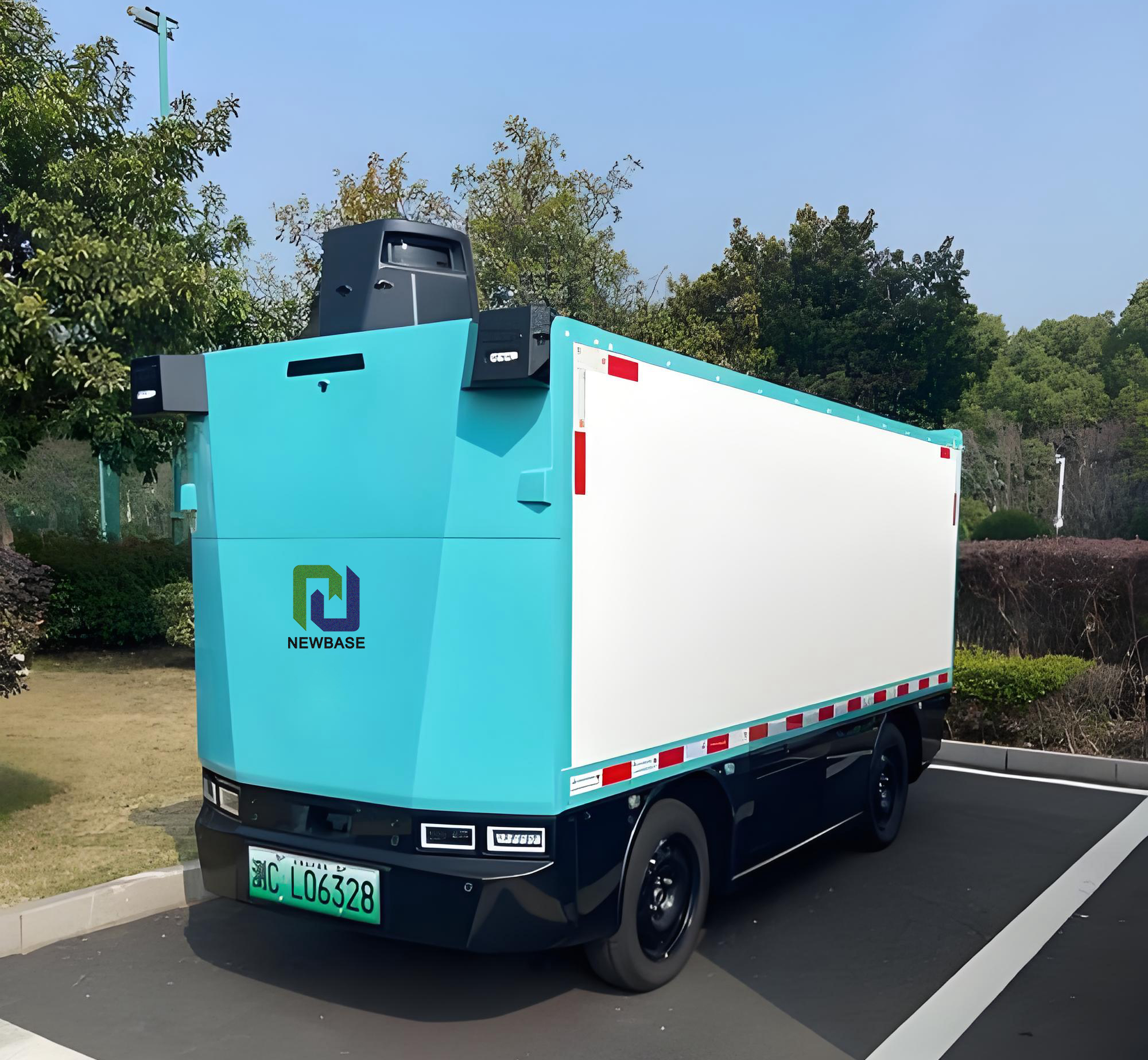
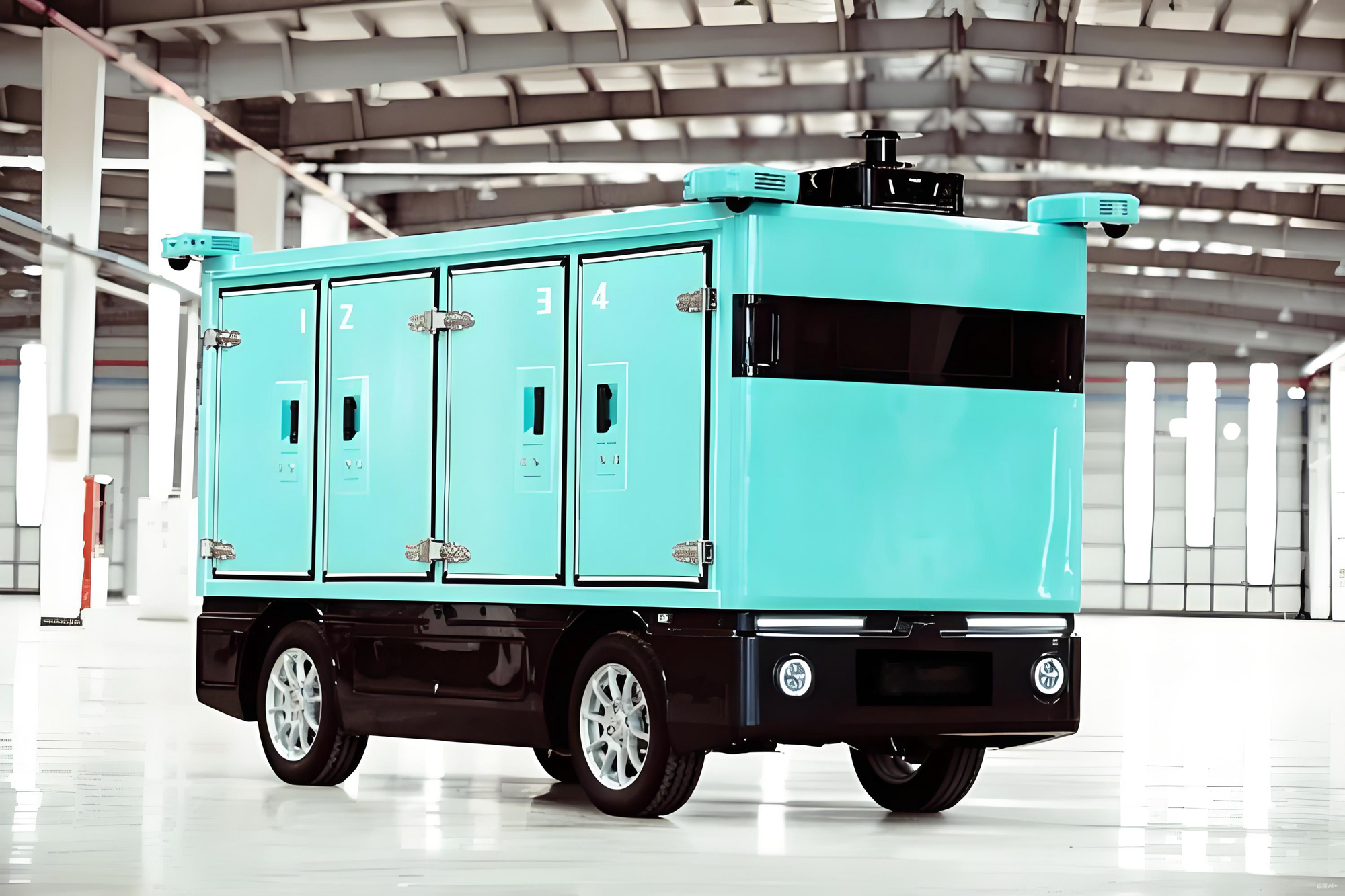
Most delivery robots carry a few bags of groceries. Our approach focuses on a professional-grade Autonomous Delivery Van designed for real business volume.
800kg Payload 5.5 m³ Volume: This isn't just a toy; it’s a workhorse. It can handle pallets, bulk parcels, and heavy goods that smaller robots simply can't touch.
180km Range: With a long-lasting battery, these vehicles can cover an entire urban circuit on a single charge.
All-Weather Reliability: With an IP55 rating, these vehicles operate in rain or snow, ensuring that the supply chain never breaks.
Comparison: Traditional Van vs. Autonomous Delivery Van
| Feature | Traditional Human-Driven Van | Our L4 Autonomous Delivery Van |
| Operational Hours | Limited by driver shifts (8-10 hrs) | 24/7 Potential |
| Labor Cost | High (Salaries, Insurance, Benefits) | Low (Software & Maintenance) |
| Consistency | Variable (Human error, fatigue) | High (Predictable AI-driven paths) |
| Payload Capacity | High | 800kg (Optimized for Last-Mile) |
| Environmental Impact | Often High (Diesel/Petrol) | Zero Emissions (Electric) |
The Path Forward
The transition to Autonomous Delivery Vans won't happen overnight, but the infrastructure is ready. From industrial parks to gated communities and eventually open city roads, the efficiency gains are too significant to ignore.
I believe the future of urban logistics is autonomous, electric, and incredibly efficient. By removing the constraints of traditional driving, we open up new possibilities for "dark stores," 24-hour delivery cycles, and significantly lower operational costs.
Are you ready to see how an 800kg capacity ALV can fit into your fleet?