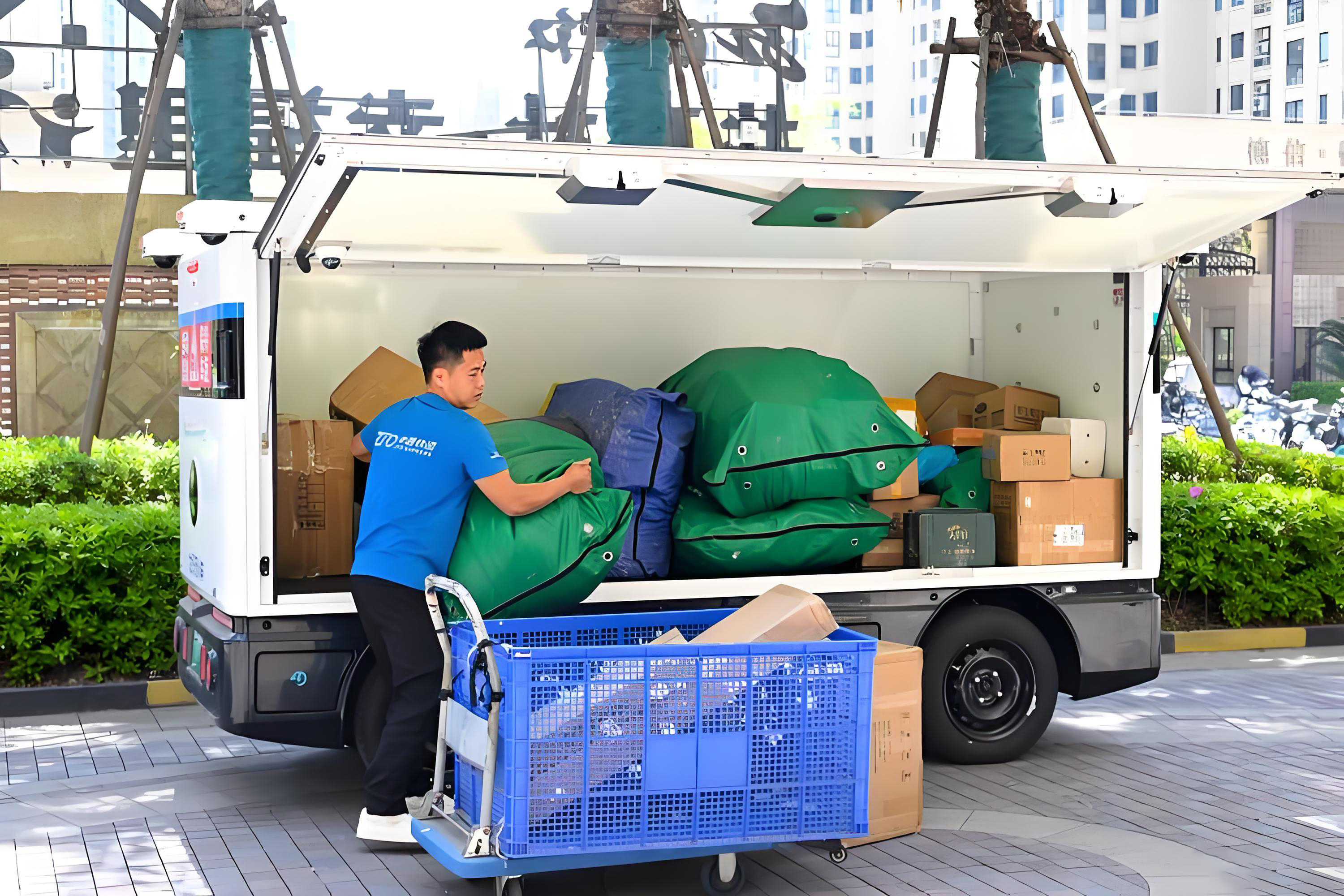
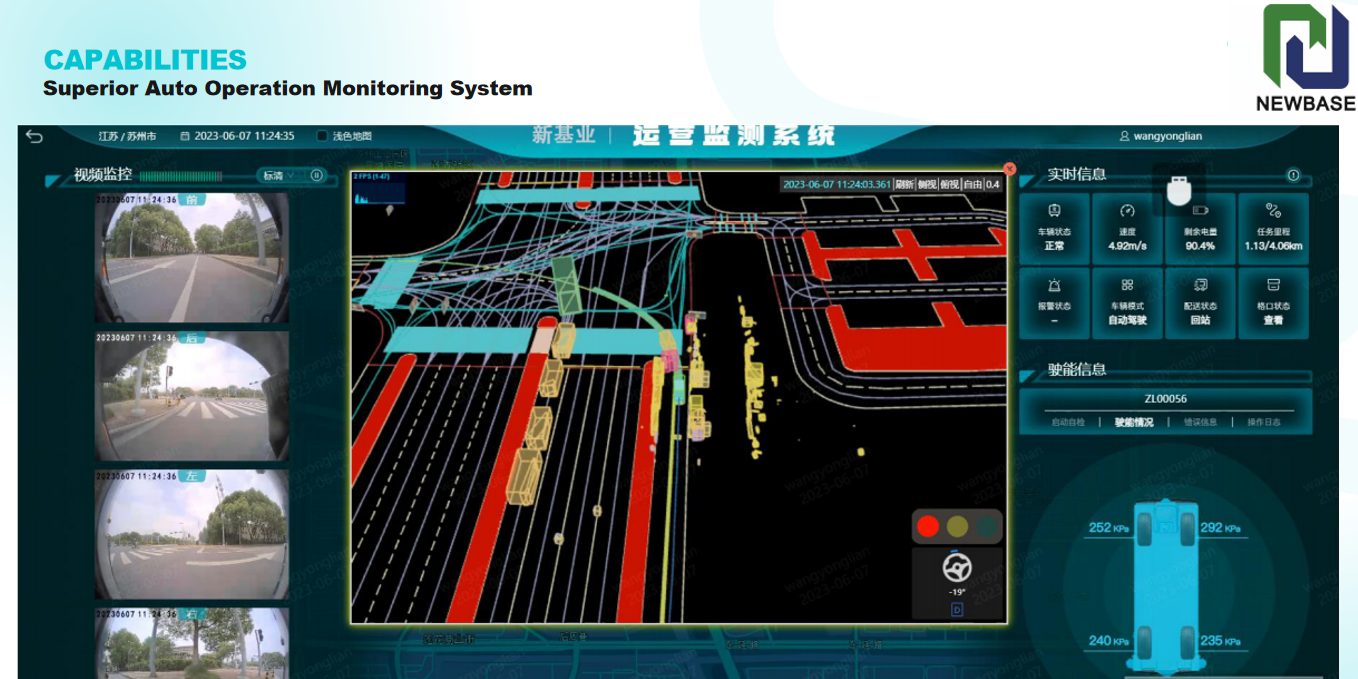
Autonomous delivery vans are transforming grocery chain logistics by cutting last-mile costs by 40–55% while keeping fresh produce colder and reducing spoilage. If you manage logistics for a supermarket chain or grocery delivery service, you know the two biggest cost pressures: driver labor and fresh food waste. An autonomous delivery van for grocery chain fresh produce operation attacks both at once — eliminating the driver cost while actually improving temperature control and reducing spoilage. It's not just about delivery cost — it's about better quality fresh food and less waste.
Here's what you'll learn: how autonomous grocery delivery works, fresh produce cold chain benefits, cost savings and ROI, real supermarket deployment examples, and what to look for in a supplier.
1. How Do Autonomous Vans Solve Grocery's Biggest Fresh Produce Challenges?
Grocery fresh delivery has two uniquely hard problems: keeping produce cold through multi-stop routes, and making enough deliveries per hour to be profitable. A self-driving grocery delivery vehicle for supermarket chain operation solves both — by maintaining consistent cold chain quality while reducing the biggest cost (labor).
The Fresh Produce Delivery Problem
Fresh produce is the hardest category in grocery delivery:
- Temperature sensitivity: Leafy greens, berries, dairy, meat, and frozen items all have different temperature requirements
- Multi-stop temperature swings: Every door opening lets warm air in, raising cargo temperature
- Spoilage cost: Grocers lose 5–10% of fresh inventory to spoilage — billions annually
- Time pressure: Fresh items need to move fast — slow delivery = more waste
- Driver labor is 50–60% of cost: And driver turnover is brutal in grocery delivery
How Autonomous Vans Fix These Problems
| Fresh Food Challenge | How Autonomous Delivery Solves It |
| Temperature consistency | Optimized cooling profiles per route, fewer temperature swings from consistent driving |
| Spoilage reduction | Better temperature control = 30–50% less fresh food spoilage in transit |
| Delivery speed | More deliveries per day (no breaks, optimized routes) = fresher produce |
| Labor cost | Eliminates the driver — the single biggest expense |
| 24/7 availability | Overnight restocking and early-morning delivery without paying shift premiums |
The Multi-Zone Advantage
The best autonomous grocery delivery vans have 2–3 separate temperature zones:
- Frozen zone (-15°C to -20°C): Ice cream, frozen meals, frozen vegetables
- Chilled zone (2°C to 8°C): Dairy, meat, fish, fresh produce, prepared meals
- Ambient zone: Pantry items, snacks, household supplies
This means one vehicle can deliver a full grocery order — frozen, chilled, and ambient — in a single trip, just like a traditional grocery delivery van. But without the driver.
NewBase cold chain delivery vehicles support multi-zone temperature configurations, making them ideal for grocery and fresh food delivery.
Freshness = Customer Satisfaction (and Repeat Orders)
Here's what most grocery chains miss: the cost of fresh produce spoilage isn't just the product loss — it's the customer churn. A customer who receives wilted lettuce or melted ice cream is much less likely to order again. Better cold chain quality directly translates to:
- Higher customer satisfaction scores
- More repeat orders
- Fewer refund requests and complaints
- Better reviews and word-of-mouth
Zhengzhou Newbase Auto Electronics Co., Ltd. has deployed autonomous fresh food delivery vehicles for major supermarket chains in China and Singapore — including Singapore's FairPrice, where autonomous delivery vehicles operate on public roads for grocery home delivery.
✅ Bottom line: Autonomous vans don't just lower grocery delivery cost — they improve fresh produce quality and reduce spoilage, which means happier customers and more repeat orders.
2. What Do Autonomous Grocery Deliveries Actually Cost — and What's the ROI?
For a typical supermarket chain running 10 delivery vans, autonomous delivery cuts operating cost by 40–55% and pays for itself in 1.5–2.5 years. The supermarket last mile autonomous delivery fresh food ROI story is even stronger than general parcel delivery — because you're saving on both labor AND spoilage.
Cost Comparison: 10-Vehicle Grocery Delivery Fleet
| Cost Item | Driver-Operated Vans | Autonomous Vans | Annual Savings |
| Drivers (10 × 2 shifts) | 900k–1.3M/year | 90k–150k/yr (remote supervisors) | 810k–1.15M/year |
| Vehicle purchase | 500k–800k (one-time) | 900k–1.5M (one-time) | -400k–-700k (year 1) |
| Fuel / electricity | 80k–120k/yr (diesel) | 20k–35k/yr (electric) | 60k–85k/year |
| Fresh food spoilage | 100k–180k/yr (5–10% of fresh inventory) | 40k–90k/yr (2–5%) | 60k–90k/year |
| Maintenance | 60k–100k/yr | 35k–60k/yr | 25k–40k/year |
| Software / platform | $0 | 50k–100k/yr | -50k–-100k/yr |
| Total annual (yr 2+) | 1.14M–1.7M | 295k–435k | 795k–1.23M/year |
Key Observations
- Year 1 is more expensive because of the higher vehicle purchase cost
- Year 2 savings are massive — 60–75% reduction in operating cost
- Payback period: 1.5–2.5 years for a 10-vehicle fleet
- Spoilage savings alone can be $60k–$90k/year — on top of labor savings
Scale Makes It Even Better
The ROI gets stronger as you add more vehicles:
- 5 vehicles: 2–3 year payback
- 10 vehicles: 1.5–2.5 year payback
- 20+ vehicles: 1–2 year payback
Why? Because one remote operator can manage 10–20 vehicles. The labor savings scale linearly, but the supervision cost doesn't.
NewBase customers typically see payback in 1.5–2 years for grocery delivery fleets of 10+ vehicles — faster than almost any other use case.
✅ Bottom line: 40–55% lower operating cost and 1.5–2.5 year payback for 10+ vehicles. The spoilage reduction adds another $60k–$90k/year on top of labor savings.
FAQ
Q: How do customers receive their groceries from an autonomous van?
A: There are several models currently in use. The most common approach for a autonomous delivery van for grocery chain fresh produce service: (1) Customer receives a notification when the van is 10 minutes away. (2) They meet the van at the curb or designated pickup point. (3) They use a code (sent via app/SMS) to unlock the correct temperature compartment. (4) They collect their order, and the van moves on to the next stop. Some services use building concierges or property managers as pickup points in apartment buildings. For high-density areas, locker banks are another option — the van delivers to a smart locker bank, and customers pick up anytime.
Q: Can autonomous vans handle the volume during peak times like holidays or sales events?
A: Yes — and this is actually one of the biggest advantages. With a traditional fleet, scaling up for peak season means hiring and training 20–50% more drivers — expensive and slow. With autonomous delivery, you just add more vehicles and extend operating hours. No hiring, no training, no overtime pay. A self-driving grocery delivery vehicle for supermarket chain operation can easily handle 30–50% more volume during peak periods by running additional shifts — the vehicles don't need sleep, and remote supervisors can manage a larger fleet during busy times. This flexibility is game-changing for grocery chains that see huge volume swings around holidays and promotional events.
Q: Are there any real supermarket chains already using autonomous delivery?
A: Yes — autonomous grocery delivery has moved well beyond the pilot stage. In China, multiple major supermarket chains operate autonomous delivery fleets for fresh produce and grocery home delivery, with some running 50+ vehicles across multiple cities. In Singapore, FairPrice (the country's largest supermarket chain) operates autonomous delivery vehicles on public roads — one of the first such deployments in Southeast Asia. When researching supermarket last mile autonomous delivery fresh food programs, look for deployments that have moved past the pilot stage into actual commercial operation — and ask for specific metrics: deliveries per day, spoilage rate, cost per delivery, and customer satisfaction scores. The best way to evaluate is to visit an operating deployment and see it for yourself.