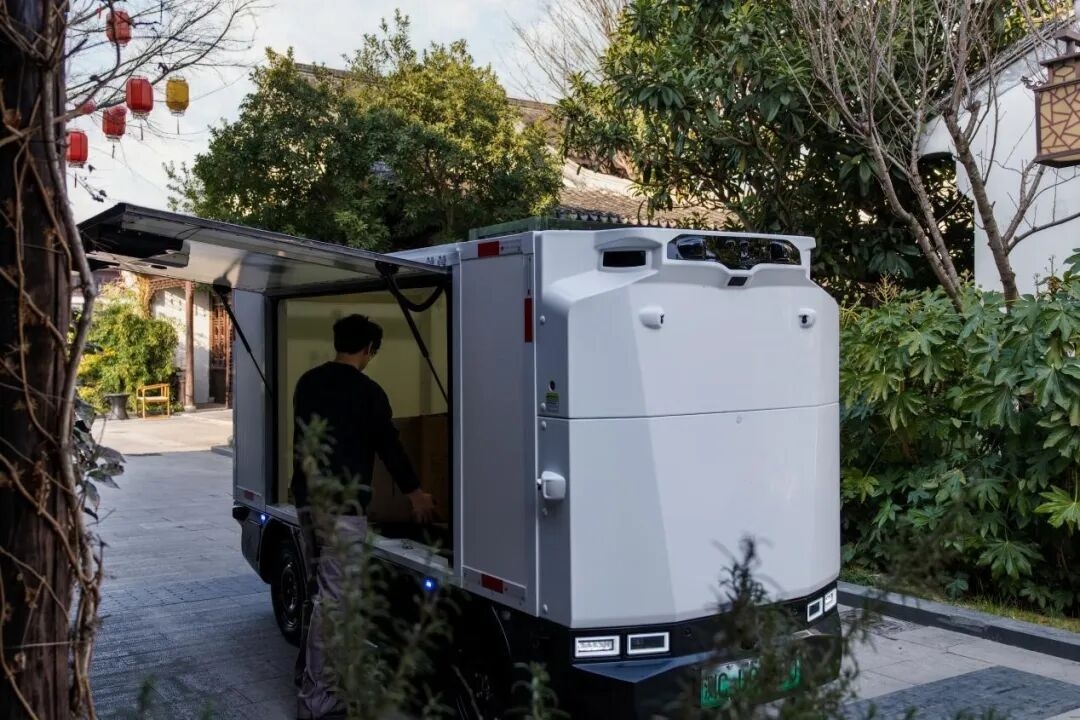
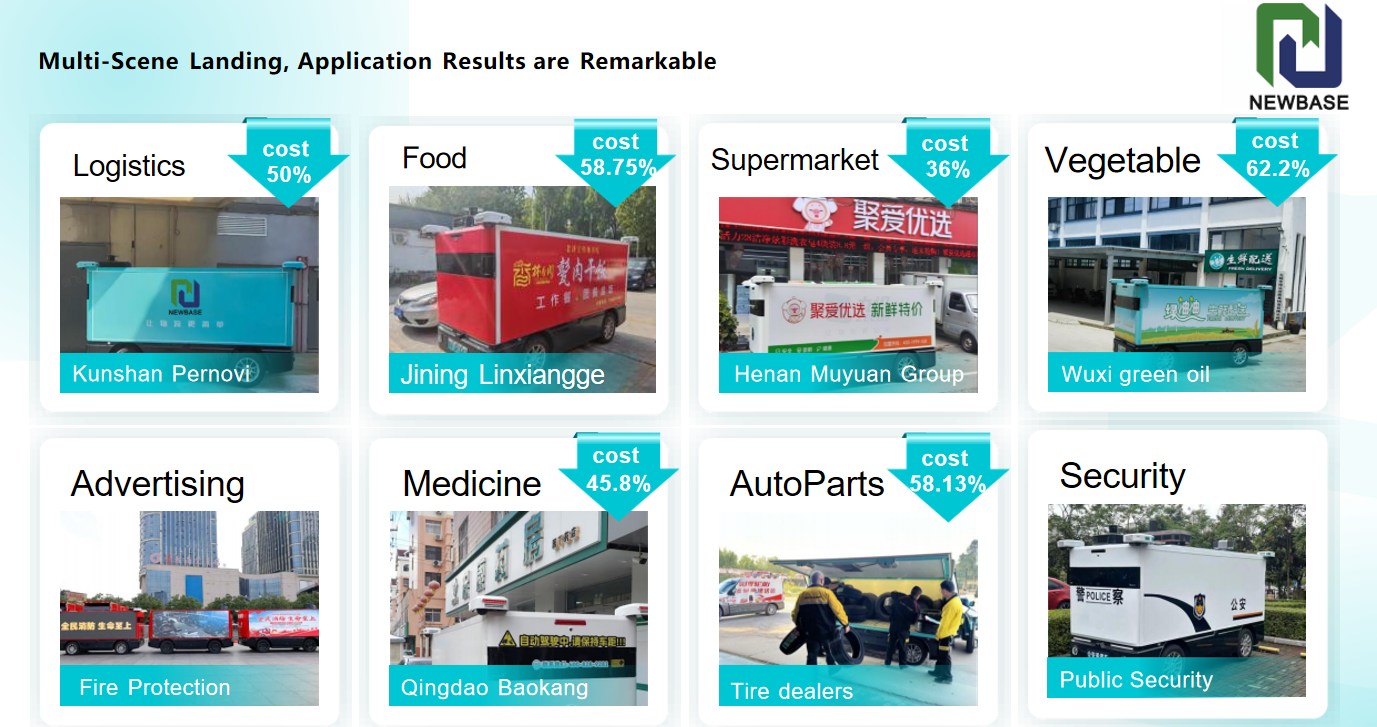
Autonomous delivery vehicles are becoming a common sight on university campuses — delivering food, packages, and supplies to students while reducing campus traffic and operational costs. If you work in campus logistics, student services, or facility management, you know the challenges: congested campus roads, high student expectations for fast delivery, labor shortages for campus services, and pressure to reduce carbon emissions. An autonomous delivery van for university campus student life solution checks all these boxes — improving the student experience while reducing operational complexity.
Here's what you'll learn: use cases for campus delivery, benefits for students and administrators, cost and ROI, and real campus deployment examples.
1. What Are Autonomous Vehicles Used for on University Campuses?
University campuses are the perfect environment for autonomous delivery — controlled access, pedestrian-friendly streets, predictable routes, and tech-savvy users who love it. A self-driving food delivery robot for college campus deployment is just the beginning — campuses are finding more creative uses every year.
Top Use Cases on Campus
| Use Case | What It Does | Why Students Love It |
| Food & meal delivery | Delivers from campus dining halls and restaurants to dorms, libraries, and study areas | Hot food without leaving the library or dorm — no lines, no walk |
| Parcel & mail delivery | Moves packages from campus mail centers to dormitory buildings | No more "package pickup" notifications that require a 15-minute walk |
| Library book delivery | Delivers requested books to campus pickup points or residence halls | "Click and collect" without the collect hassle |
| Campus store supplies | Delivers snacks, drinks, school supplies, and essentials | 24/7 availability even when the campus store is closed |
| Medical center transport | Moves prescriptions and lab samples between health center and dorms | More private, faster than walking to the health center |
| Facilities & maintenance | Transports tools, parts, and supplies between buildings | Facilities teams save time walking back and forth for parts |
The Student Experience Factor
For students, autonomous delivery isn't just about convenience — it's about:
- More study time: Every 10-minute walk to pick up food or a package is 10 minutes less studying (or sleeping)
- Better accessibility: Students with mobility challenges get independent, reliable delivery
- Tech appeal: It's cool. Students post about it. It makes the university feel innovative and forward-thinking.
- 24/7 availability: Late-night study sessions don't have to end when the dining hall closes
NewBase campus deployments show that student adoption rates are consistently 70%+ within the first semester — students love it from day one.
Campus Logistics Benefits for Administrators
It's not just about student satisfaction. Campus operations teams benefit too:
- Reduced campus traffic: Fewer delivery cars and vans on pedestrian campus streets = safer environment
- Lower carbon footprint: Electric autonomous vehicles replace gas-powered delivery vans
- Consistent service: No more "we can't find delivery staff" during peak times
- Data & insights: Know exactly what's being delivered, where, and when — data-driven campus planning
- Better resource allocation: Staff can focus on high-value tasks instead of running deliveries
This is why campus autonomous delivery vehicle case study reports from leading universities consistently show both high student satisfaction and measurable operational savings.
✅ Bottom line: University campuses are the ideal autonomous delivery environment — controlled access, tech-savvy users, and clear use cases that benefit both students and administrators.
2. What Do Campus Deployments Actually Cost — and How Do Universities Pay for It?
Most campus autonomous delivery programs start as partnerships with food service providers or tech companies — but even self-operated programs deliver solid ROI within 2–3 years. The exact cost structure depends on the deployment model, but here's what you need to know.
Deployment Models
| Model | How It Works | Best For |
| Partner model | A third-party company provides and operates the vehicles; university provides access and support | Most universities — low risk, no upfront cost |
| University-owned | The university buys and operates its own fleet | Large campuses with strong tech programs and budget |
| Mixed model | University owns vehicles; partner manages operations | Campuses that want control but don't have in-house expertise |
| Sponsored | Corporate sponsors (food brands, telecoms) fund the program in exchange for branding | Schools with strong corporate partnerships |
NewBase supports all four deployment models — we can work with whatever structure fits your university's budget and governance.
How Universities Fund These Programs
- Student services fees: Part of the student activity or services fee
- Pilot grants: University innovation grants or sustainability grants
- Corporate partnerships: Food service providers, telecom sponsors, tech company partnerships
- Auxiliary revenue: Delivery fees, campus store revenue share
- Sustainability budgets: Carbon reduction and green campus initiatives
Zhengzhou Newbase Auto Electronics Co., Ltd. has worked with multiple university campus deployments across China — ranging from small liberal arts colleges to large public university systems — with various funding and partnership models.
The Intangible ROI
Some of the biggest benefits are hard to put a price on:
- Recruitment advantage: "We have autonomous delivery" is a differentiator for prospective students
- Innovation reputation: Positions the university as forward-thinking and tech-forward
- Research opportunities: Computer science, engineering, and urban planning departments can use the fleet for research
- Sustainability goals: Helps meet carbon reduction targets for campus transportation
✅ Bottom line: Most campuses start with a partner model (no upfront cost), then expand based on demand. For self-operated fleets, the total operating cost is $75k–$130k/year for 5 vehicles — with funding coming from student fees, grants, partnerships, and auxiliary revenue.
FAQ
Q: Aren't sidewalk delivery robots better for campuses than full-size vans?
A: It depends on what you're delivering. Sidewalk robots are great for small items — single meals, small packages, coffee — on very dense campuses with lots of pedestrian paths. Full-size autonomous vans carry more (200+ items at once), move faster, and can handle everything from meals to bulky packages and supplies. For most universities, the best autonomous delivery van for university campus student life solution actually involves both — larger vans running fixed routes between main hubs, and smaller robots or lockers for the final 100m to individual dorms. It's not an either/or — it's a system.
Q: How do students actually use the service — do they order through an app?
A: Yes, typically through a mobile app or WeChat mini-program. Students open the app, select their destination, and either schedule a delivery or send something (like a library book return). For food delivery, they can order from campus restaurants and dining halls through the same app. The self-driving food delivery robot for college campus model works because students are already comfortable with mobile ordering — the autonomous delivery is just a cooler, more convenient version of something they already do. Most campus services see 60–80% of students trying the service within the first semester.
Q: Are there any real campus examples we can learn from?
A: Yes — autonomous campus delivery has moved far beyond the pilot stage. In China, dozens of universities operate autonomous delivery vehicles for food and parcel delivery, with some of the largest campuses running 20+ vehicles. In the US and Europe, several major universities have run pilots with sidewalk robot delivery for campus meals and small packages. When reviewing a campus autonomous delivery vehicle case study, look for these indicators of success: 60%+ student adoption rate, 40%+ reduction in delivery-related campus traffic, positive student satisfaction surveys, and measurable cost savings vs. the previous delivery model. The best way to learn is to visit a campus that's already running it — most universities are happy to host peer visits.