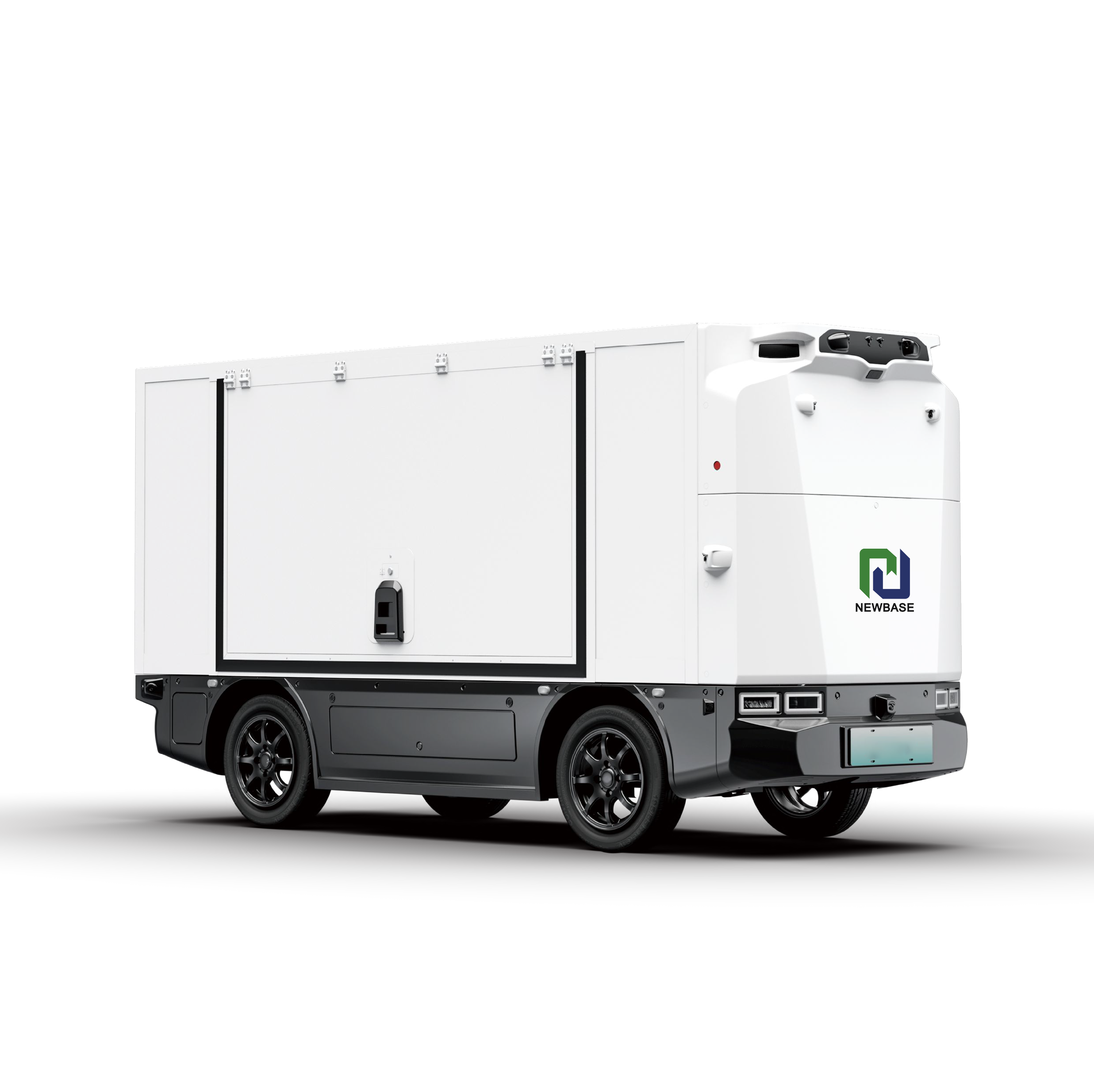
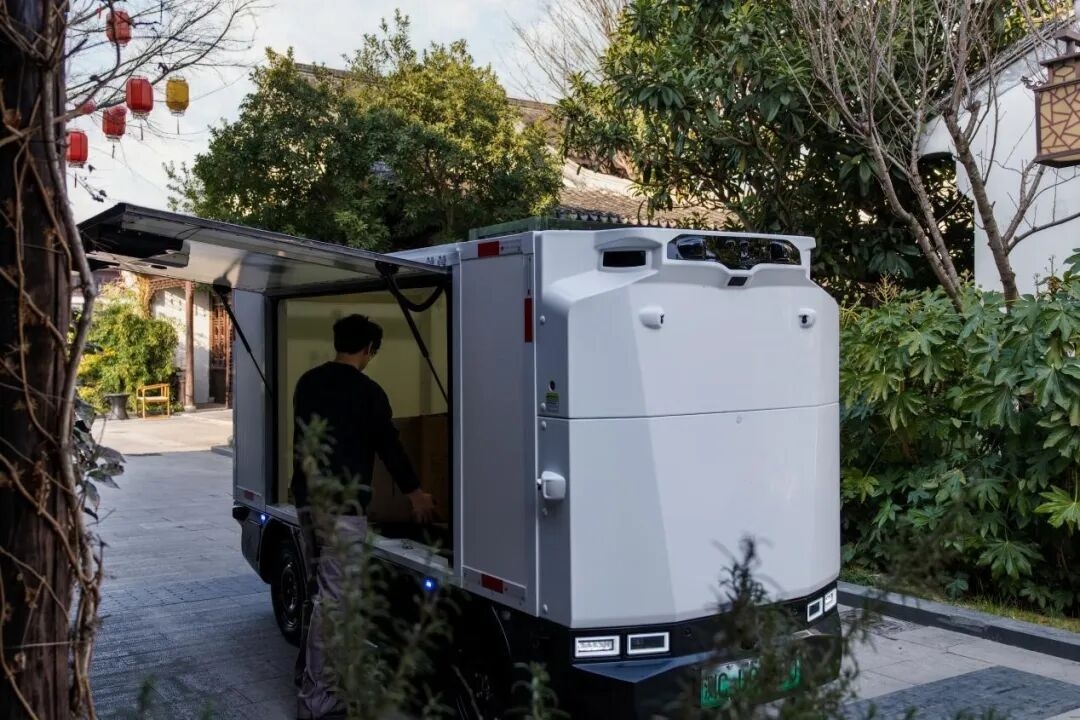
Autonomous sightseeing vehicles are transforming how resorts and tourist attractions move visitors around — making the experience better while reducing operating costs. If you manage a resort, theme park, scenic area, or large tourist attraction, you know the challenge of shuttling thousands of visitors between parking lots, entrances, attractions, and amenities. An
Autonomous Sightseeing Vehicle for resort visitor experience upgrade does more than just move people — it becomes an attraction itself, while cutting your labor and operations costs.
Here's what you'll learn: how autonomous shuttles improve the visitor experience, cost savings and ROI analysis, use cases for different types of resorts, and what to look for in a supplier.
1. How Do Autonomous Sightseeing Vehicles Improve the Visitor Experience?
The best resort transportation doesn't feel like transportation — it feels like part of the experience. A self-driving tour shuttle for theme park resort operation turns a mundane shuttle ride into a memorable moment that guests talk about and share on social media.
Experience Benefits for Guests
| Visitor Benefit | How It Works | Why It Matters |
| "Wow" factor | Driverless vehicles are still novel — guests take photos and videos | Free social media marketing, positive reviews |
| Consistent service | Runs on schedule, no driver breaks, no attitude | Eliminates the #1 complaint about resort shuttles: wait times |
| Interactive & fun | Audio guides, touchscreen info, themed exteriors | Turns transit into an attraction |
| More capacity during peaks | Add vehicles fast, no hiring needed | No more long lines on busy holiday weekends |
| Safer feel | Predictable, smooth driving with no human error | Families feel safer, especially with kids |
| 24/7 availability | Operates as long as the park is open | Last guests don't get stranded |
It's Not Just About the Ride — It's About the Brand
For premium resorts and theme parks, the transportation system is part of the brand experience. A sleek, modern autonomous shuttle says "we're innovative and forward-thinking" before the guest even reaches the front gate.
NewBase Yokee autonomous sightseeing vehicles can be fully customized with themed exteriors, branded interiors, and on-board audio guides that match your resort's identity — making the shuttle part of the story, not just a utility.
Real-World Use Cases
- Theme parks: Parking lot → main entrance → different lands/zones
- Scenic areas & national parks: Visitor center → viewpoints → trailheads (on approved routes)
- Resorts & hotels: Lobby → beach → pool → spa → restaurants
- Zoos & wildlife parks: Safari-style viewing from the vehicle
- University campuses: Visitor tours and campus shuttles
- Port & waterfront areas: Cruise terminal → attractions → shopping districts
A driverless sightseeing bus for tourist attraction cost analysis almost always shows that the experience upgrade alone justifies a pilot — before even counting the labor savings.
✅ Bottom line: Autonomous sightseeing vehicles don't just move guests — they elevate the entire resort experience. The "wow" factor drives social sharing and positive reviews, while consistent service eliminates the #1 shuttle complaint: waiting.
2. How Much Can Resorts Actually Save — and What's the ROI?
The cost savings are significant — 35–55% lower operating cost vs. driver-operated shuttles — but the real ROI comes from both the savings AND the revenue upside from better guest experience. Let's break down the numbers.
Cost Comparison: Driver-Operated Shuttles vs. Autonomous
For a mid-size resort running 6 shuttle vehicles, 12 hours/day, 360 days/year:
| Cost Item | 6 Driver-Operated Shuttles | 6 Autonomous Shuttles | Annual Savings |
| Drivers (6 × 2 shifts) | 540k–840k/year | 60k–100k/yr (1 remote supervisor) | 480k–740k/year |
| Vehicle purchase | 360k–600k (one-time) | 720k–1.2M (one-time) | -360k–-600k (year 1) |
| Maintenance | 45k–75k/year | 30k–55k/year | 15k–20k/year |
| Software / platform | $0 | 30k–60k/year | -30k–-60k/year |
| Insurance | 18k–30k/year | 24k–42k/year | -6k–-12k/year |
| Total annual (yr 2+) | 603k–945k | 144k–257k | 459k–688k/year |
Payback Period
- Payback: 1.5–2.5 years (depending on local driver wage levels)
- 5-year net savings: $1.5M–$2.8M+ for a 6-vehicle fleet
- Additional savings: No recruiting, training, or turnover costs for drivers
Zhengzhou Newbase Auto Electronics Co., Ltd. Yokee 14-seat autonomous sightseeing vehicles are already deployed at scenic areas and resort zones across China, with proven cost reduction and high guest satisfaction scores.
The Revenue Upside — Harder to Measure But Real
Cost savings are easy to calculate. The revenue benefits are harder to quantify but just as real:
- Longer stays: Guests stay longer (and spend more) when transportation is easy and reliable
- Higher satisfaction: Better reviews = more bookings = higher rates
- Premium pricing: Innovative amenities let you charge a premium vs. competitors
- Peak capacity: Handle more guests on peak days without hiring temporary staff
Even a 3–5% increase in guest spending or satisfaction often adds more to the bottom line than the direct cost savings.
✅ Bottom line: Expect 35–55% lower operating cost and 1.5–2.5 year payback on the hardware. Plus the harder-to-measure revenue upside from better guest experience and higher satisfaction.
FAQ
Q: How many passengers can autonomous sightseeing vehicles carry?
A: It depends on the model, but most resort-focused autonomous shuttles carry 8–20 passengers. The NewBase Yokee model, for example, is a 14-seat vehicle designed specifically for resort and scenic area use — roomy enough for families with strollers, small enough to navigate scenic roads comfortably. When evaluating an autonomous sightseeing vehicle for resort visitor experience solution, make sure to match the vehicle size to your typical group size and route width — a vehicle that's too big for your roads is worse than one that's slightly too small.
Q: Are autonomous sightseeing vehicles safe for parks and resorts with lots of pedestrians?
A: Yes — and in many ways, they're safer than human-driven shuttles. Resort autonomous vehicles operate at low speeds (typically 20–30 km/h), use multiple sensors (LiDAR + cameras + radar) to detect pedestrians and obstacles, and never get distracted or impatient. They're designed specifically for shared-space environments with mixed pedestrian and vehicle traffic. A good self-driving tour shuttle for theme park resort solution will have multiple safety layers: obstacle detection, emergency braking, speed limiting in pedestrian areas, and remote monitoring by a human operator who can intervene if needed. The safety record of these vehicles in resort environments is excellent — better than human-driven shuttles on the same routes.
Q: How does the cost compare to traditional golf carts or people movers?
A: Autonomous vehicles have a higher upfront purchase price but much lower operating cost because you don't need drivers. A traditional golf cart or people mover is cheaper to buy ($30k–$60k vs. $80k–$150k for autonomous), but you need to pay a driver $40k–$60k/year. The driverless sightseeing bus for tourist attraction cost equation is simple: if you run the vehicle 8+ hours/day, 300+ days/year, the labor savings from autonomy quickly outweigh the higher vehicle price. For low-utilization routes (just a few hours a day, a few days a week), traditional vehicles with drivers might still be cheaper. But for high-utilization resort shuttles, autonomous wins every time.