Autonomous patrol vehicles are transforming industrial security by replacing repetitive perimeter patrols with 24/7 consistent, data-driven surveillance — and they cost less than hiring additional security guards. If you manage security for a factory, industrial park, campus, or logistics center, you know the challenges: guard shortages, high turnover, human fatigue, and the difficulty of covering large areas consistently. An
Autonomous Patrol Vehicle for industrial security campus deployment doesn't replace your security team — it augments them, handling the boring, repetitive patrol work so your guards can focus on actual security incidents.
Here's what you'll learn: how autonomous patrol vehicles work, key features and capabilities, use cases for industrial sites, ROI and cost comparisons, and what to look for in a supplier.
1. What Can Autonomous Patrol Vehicles Actually Do for Industrial Security?
Autonomous security patrol vehicles are mobile surveillance platforms that drive pre-defined routes 24/7, detect anomalies in real time, and alert security teams when something needs attention. Think of them as a force multiplier for your security team — one vehicle can do the patrol work of multiple guards, with perfect consistency and no fatigue.
Core Capabilities
| Capability | What It Does | Security Value |
| Autonomous patrolling | Follows pre-mapped routes 24/7, rain or shine | Eliminates human error from fatigue, boredom, or missed patrols |
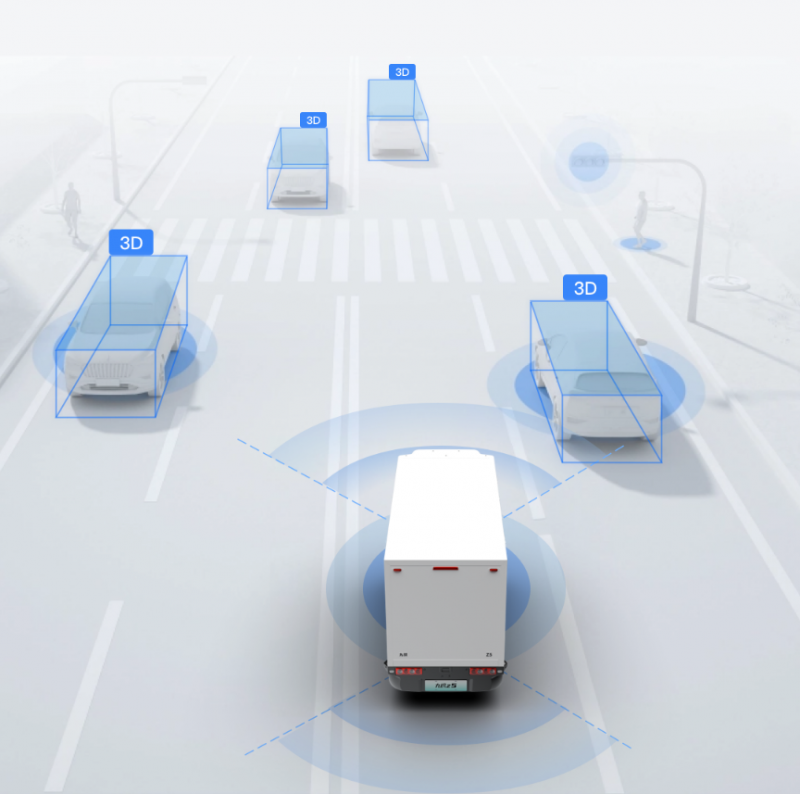
| AI video analytics | Real-time detection of people, vehicles, fires, smoke, intrusions | Alerts before incidents escalate — proactive, not reactive |
| Facial recognition | Identifies known personnel or blacklisted individuals | Prevents unauthorized access to restricted areas |
| License plate recognition | Scans and logs all vehicles entering/exiting | Complete access audit trail without manual logs |
| Two-way audio | Guards can speak through the vehicle remotely | Can issue warnings or instructions without dispatching a guard |
| Emergency response | Can rush to alarm locations faster than a foot patrol | Reduces response time from minutes to seconds |
Advanced Features: Drones and Beyond
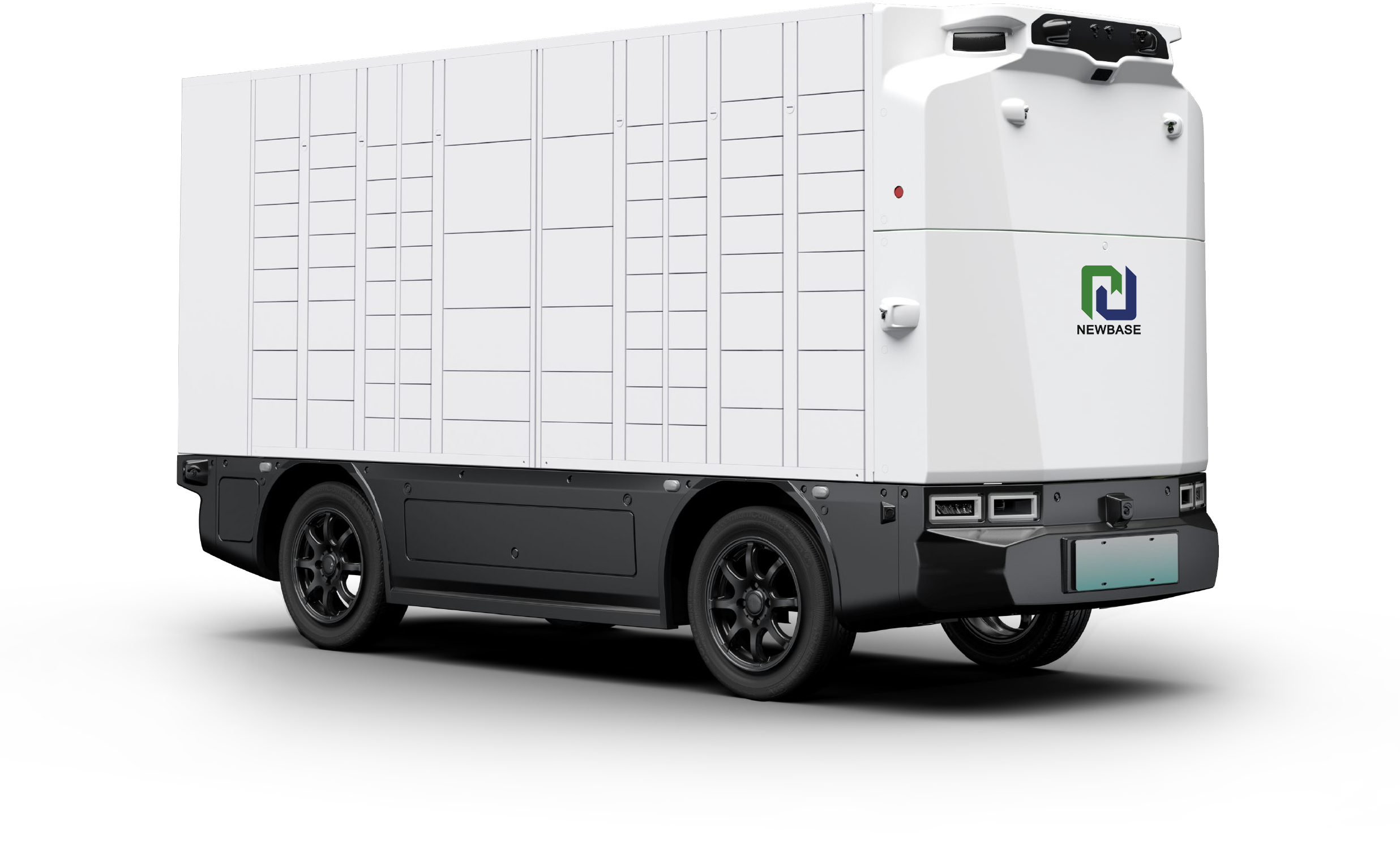
The best autonomous patrol vehicles do more than just drive around with cameras. Top models like the NewBase integrated security patrol vehicle include:
- On-board drone with automated landing pad: The drone takes off from the vehicle, provides aerial surveillance, and returns to land and recharge automatically — perfect for checking hard-to-reach areas or getting an overhead view of an incident
- AI gimbal camera: 360° panoramic surveillance with zoom and tracking capabilities
- Strobe lights & siren: Deterrence capability for intruders or unauthorized personnel
- Environmental sensors: Smoke, gas, temperature, and radiation detection (for hazardous industrial sites)
Where They're Deployed Today
- Factory perimeters: 24/7 patrol of fence lines and boundaries
- Industrial parks: Patrol of roads, parking areas, and public spaces
- Logistics centers: Warehouse exteriors, loading docks, and yard areas
- University campuses: Patrol of walkways, parking lots, and building exteriors
- Power plants & utilities: High-security sites requiring constant perimeter surveillance
- Ports & logistics hubs: Large open areas with high value cargo
This is why self-driving security patrol robot for factory perimeter deployments are growing so fast — they solve a problem every large industrial site has, with clear ROI.
✅ Bottom line: Autonomous patrol vehicles don't replace security guards — they handle the repetitive patrol work so guards can focus on real incidents. 24/7 consistency, AI detection, and faster response are the biggest value drivers.
2. How Does the Cost Compare to Hiring Security Guards — and What's the ROI?
One autonomous patrol vehicle can replace 2–4 full-time security patrol positions, paying for itself in 1–2 years. The economics of autonomous surveillance vehicle for industrial site security are compelling because security guard costs are high and rising — and turnover is brutal.
Cost Comparison: Security Guards vs. Autonomous Patrol Vehicle
Let's compare a typical industrial site that currently has 4 security patrol positions (2 shifts × 2 patrol guards):
| Cost Item | 4 Security Patrol Guards | 1 Autonomous Patrol Vehicle | Annual Cost Difference |
| Personnel | 180k–280k/year (4 guards × salary + benefits) | $0 (no patrol driver needed) | -180k–-280k/year |
| Vehicle / equipment | $0 (guards patrol on foot/golf cart) | 60k–100k (one-time purchase) | +60k–100k (year 1) |
| Software / monitoring | $0 | 6k–12k/year | +6k–+12k/year |
| Maintenance | Minimal (uniforms, equipment) | 3k–6k/year | +3k–+6k/year |
| Training / turnover | 20k–40k/year (20–40% turnover) | $0 | -20k–-40k/year |
| Total (year 1) | 200k–320k | 69k–118k | -131k–-202k saved |
| Total (year 2+) | 200k–320k | 9k–18k/year | -191k–-302k saved/yr |
But Wait — Can a Vehicle Really Replace Guards?
The honest answer: it replaces the patrol function, not the entire security team. You still need guards for gate access, incident response, and tasks requiring human judgment. But the patrolling — walking or driving the same route every shift, checking doors, looking for intruders — that's the part autonomous vehicles do better, cheaper, and more consistently.
Zhengzhou Newbase Auto Electronics Co., Ltd. security patrol deployments typically show that one vehicle frees up 2–3 security guards to focus on higher-value tasks — improving overall security quality while reducing cost.
✅ Bottom line: One autonomous patrol vehicle saves $130k–$300k+ per year compared to 4 patrol guards, with payback in 1–2 years — and the patrol quality actually improves.
FAQ
Q: Can autonomous patrol vehicles handle bad weather — rain, snow, extreme temperatures?
A: It depends on the vehicle's build quality. Industrial-grade patrol vehicles are designed to operate in a wide range of conditions. The NewBase security patrol vehicle, for example, has an operating temperature range of -30°C to 60°C and IP55 protection rating — meaning it handles rain, snow, dust, and extreme temperatures. The key is to look for vehicles built for outdoor industrial use, not repurposed consumer robots. A proper autonomous patrol vehicle for industrial security campus deployment should be rated for the full range of conditions at your site.
Q: How do security teams actually use these vehicles in practice?
A: The most effective model is "autonomous patrol + human oversight." Here's how it works: (1) The vehicle follows its scheduled patrol route 24/7. (2) AI analytics detect anomalies (an unauthorized person, a door left open, smoke) and send an alert to the security control room. (3) A security guard reviews the live feed remotely and decides how to respond. (4) If needed, the guard uses two-way audio to issue a warning, dispatches a response team, or calls local authorities. The self-driving security patrol robot for factory perimeter isn't about removing humans from security — it's about giving them better tools and more time to focus on actual threats instead of routine patrols.
Q: What areas can these vehicles patrol — and can they go indoors?
A: Most autonomous patrol vehicles are designed for outdoor use — roads, parking lots, sidewalks, perimeter fence lines, and open areas in industrial parks. They handle paved surfaces well and some can manage gravel or unpaved roads depending on the model. Indoor patrol is possible but requires different technology (more precision positioning, smaller form factors). For most industrial security applications, the value is in outdoor perimeter and common area patrol — which is where these vehicles excel. A good autonomous surveillance vehicle for industrial site security solution will cover 80–90% of your outdoor patrol needs, freeing your security team to handle indoor and incident-response work.