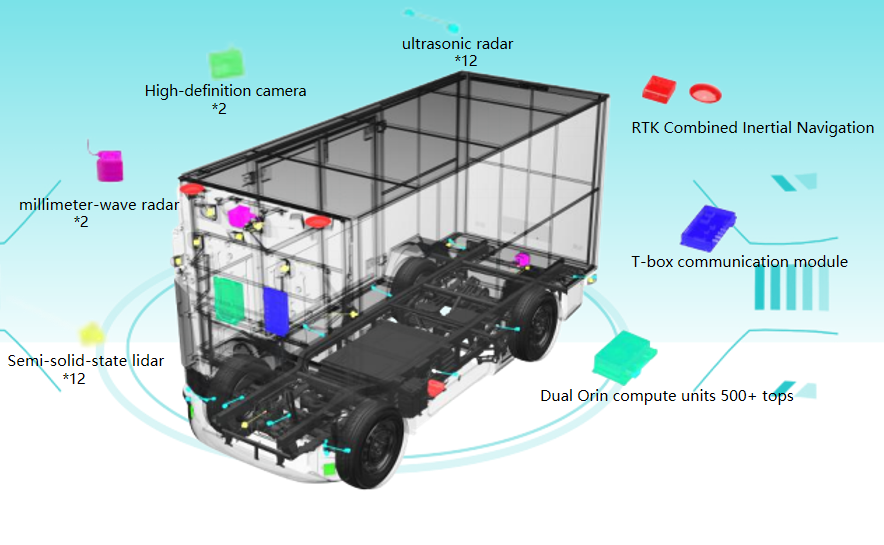
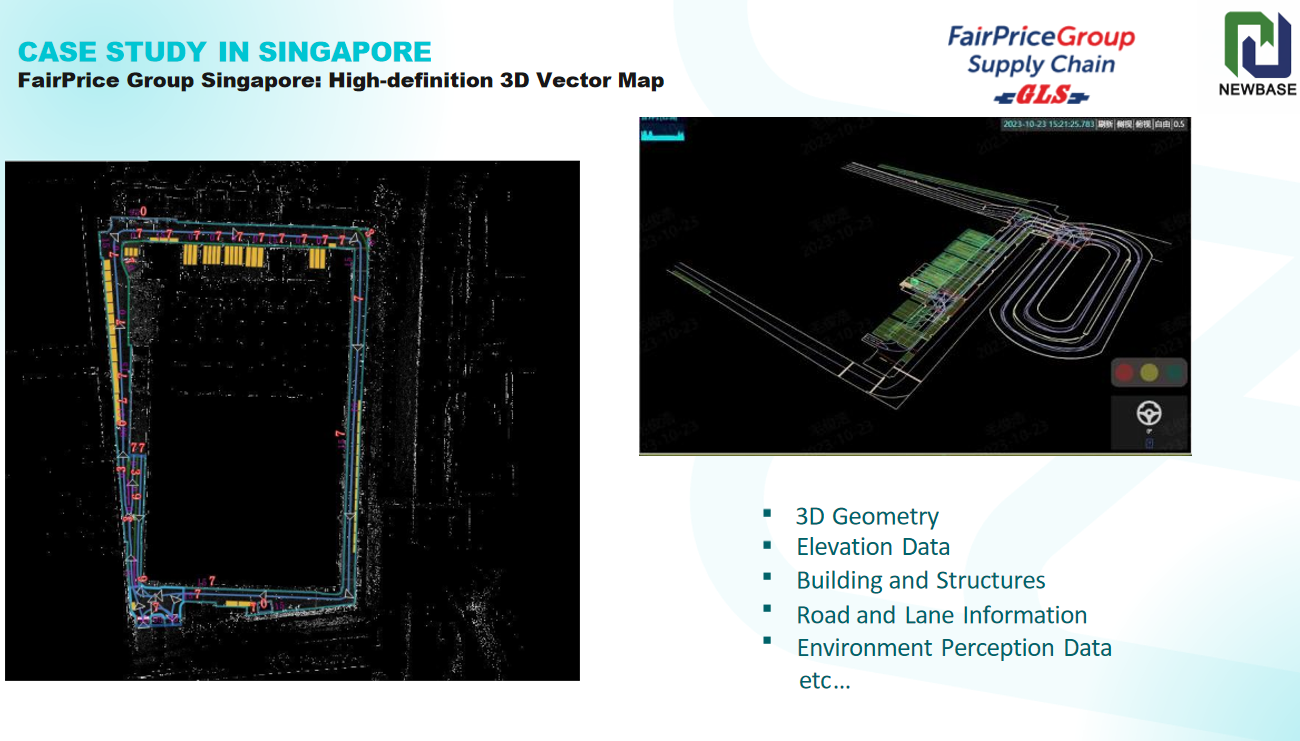
Autonomous delivery vehicles are transforming mining site logistics by solving three of the industry's biggest pain points: dangerous working conditions, chronic driver shortages, and high operating costs — but only if the vehicle is actually built to handle dust, water, and rough terrain. Most autonomous delivery vans on the market are designed for clean urban environments, not mine sites. If you're evaluating autonomous delivery vehicle for mining site dust waterproof capabilities, this guide covers everything you need to know: what to look for in a mining-grade vehicle, the real cost savings, and how to tell if a supplier actually has mining experience.
Here's what you'll learn: mining site environmental challenges, key vehicle specifications for dust/water/terrain, use cases and ROI, and how to vet suppliers.
1. What Makes Mining Sites Different — and Why Most Autonomous Vehicles Can't Handle It
A mine site is one of the harshest operational environments on earth. Dust, mud, water crossings, rough unpaved roads, steep grades, and heavy vibration will destroy a vehicle that isn't built for it. A van that works perfectly on smooth city streets can fail within weeks on a mine site. This is why driverless transport van for mine site material handling is a niche that only a few suppliers can actually serve — it requires more than just autonomy software; it requires a vehicle built for industrial environments.
Let's break down the three biggest environmental challenges.
Challenge 1: Dust — The Silent Killer of Electronics
Mining sites generate massive amounts of dust — silica dust, rock dust, coal dust. This dust gets everywhere:
Clogs air filters and cooling systems, causing overheating
Damages sensor lenses (LiDAR, cameras) and reduces perception accuracy
Gets into electrical connectors and causes corrosion and short circuits
Wears out bearings, seals, and moving parts much faster
What to look for:
- IP55 or higher dust protection rating for all electronic enclosures
- Sealed sensor housings with wipers or air purging systems
- Heavy-duty air filtration with extended service intervals
- Dust-resistant electrical connectors and sealed wire harnesses
Challenge 2: Water — From Splashes to Full Crossings
Mining sites have water everywhere: rain, puddles, mud, stream crossings, wash-down areas. Water damage is a top cause of vehicle downtime in mining operations.
What to look for:
- Minimum 300mm water fording depth (380mm+ is better)
- IP67 rated battery packs and drive motors
- Sealed undercarriage and electrical components
- Corrosion-resistant materials (especially if the site has acidic water)
Challenge 3: Rough Terrain — Potholes, Grades, and Vibration
Mine roads are rarely smooth. Potholes, gravel, loose rock, steep grades, and constant vibration test every part of a vehicle.
What to look for:
- Robust suspension designed for heavy loads and rough roads
- High ground clearance (180mm+ minimum)
- Hill start assist and grade climbing capability (15%+ grade)
- Vibration-hardened electronics and sensor mounts
Zhengzhou Newbase Auto Electronics Co., Ltd. designs its Z8 and Z8Max series for exactly these kinds of industrial environments — with IP55 protection, 380mm water fording depth, heavy-duty suspension, and a 55km/h top speed that handles both unpaved mine roads and access highways.
✅ Bottom line: Most autonomous delivery vehicles are city vehicles that won't survive a mine site. Look for IP55+ dust protection, 300mm+ water fording, and heavy-duty suspension built for rough terrain.
2. What Are the Use Cases and ROI for Autonomous Vehicles in Mining?
The mining industry was one of the earliest adopters of autonomous haul trucks — but now smaller autonomous delivery vans are handling the secondary transport that haul trucks don't do. A driverless transport van for mine site material handling can automate routes that currently rely on human drivers — with fast payback. An industrial autonomous vehicle for mining supplier manufacturer with real site experience will help you identify which routes give you the fastest ROI.
Common Mining Use Cases for Autonomous Delivery Vans
| Use Case | Typical Payload | Route Type | Why Autonomy Works |
| Supplies & consumables delivery | 500–1,500 kg | Workshop → pit → maintenance areas | Fixed routes, frequent runs, predictable schedule |
| Spare Parts transport | 200–1,000 kg | Warehouse → mining face → equipment | Time-critical, reduces equipment downtime |
| Sample transport | 50–200 kg | Drilling sites → lab | Chain-of-custody tracking, consistent timing |
| Waste & refuse hauling | 800–1,500 kg | Site facilities → waste disposal | Low-value but high-volume, dirty work |
| Personnel transport | 8–14 people | Camp → site → facilities | Some models can be configured for people moving |
Why Mining Is a Perfect Fit for Autonomous Delivery
- Controlled environment: Mine sites are private property — no public road regulatory approval needed
- Fixed, repetitive routes: Most material transport follows the same paths every shift
- High labor cost + shortage: Mining sites are often remote, making drivers hard to hire and expensive
- Safety is a priority: Removing human drivers from hazardous routes reduces accident risk
- 24/7 operation: Mines run around the clock — autonomous vehicles don't need shift changes or sleep
Cost Savings and Payback
For a typical mid-size mine site with 5–10 delivery vehicles running two shifts:
- Labor savings: $400k–$800k+ per year (eliminating drivers for 10 vehicles × 2 shifts)
- Maintenance savings: 15–25% lower (consistent automated driving is easier on the vehicle than human drivers)
- Productivity gains: 20–30% more trips per day (no breaks, consistent speed, optimized routing)
- Accident cost reduction: 60–80% fewer vehicle incidents (no human error)
NewBase Z8 series vehicles have been deployed in mining and industrial park scenarios, handling everything from spare parts delivery to bulk material transport. For sites with 10+ vehicles, typical payback is 1.5–2.5 years.
✅ Bottom line: Mining sites are ideal for autonomous delivery — private roads, fixed routes, high labor costs, and safety priorities all line up. Payback is often faster in mining than urban delivery.
FAQ
Q: Can autonomous delivery vehicles really handle the dust at a mine site?
A: Yes — if they're properly designed for it. The key is looking for vehicles specifically built with dust protection in mind, not retrofitted city vans. Important features include: IP55 or higher rated enclosures, sealed sensor housings with cleaning systems, heavy-duty air filtration, and dust-sealed electrical connectors. When evaluating an autonomous delivery vehicle for mining site dust waterproof capability, always ask for real deployment data from actual mine or industrial sites — not just lab test results. A vehicle that has been running 6+ months on a real mine site without dust-related failures is worth 10 lab test reports.
Q: How do autonomous vehicles handle steep grades and rough mine roads?
A: It depends on the vehicle's powertrain and suspension. For mining applications, look for: enough torque to climb 15%+ grades at full payload, robust suspension that can handle potholes and gravel without damaging sensors, and hill start assist to prevent rolling backward on slopes. The NewBase Z8 series, for example, can handle grades up to 20% fully loaded and has heavy-duty suspension tuned for unpaved industrial roads. Always test on your actual site roads before committing — a demo on smooth pavement tells you nothing about mine site performance.
Q: How do I find a supplier that actually understands mining, not just autonomous driving?
A: This is the key question — many autonomous vehicle companies have great software but zero industrial experience. When evaluating an industrial autonomous vehicle for mining supplier manufacturer, ask: (1) How many mine sites or industrial facilities do you have vehicles operating at? (2) Can I visit a reference site or speak to a mining customer? (3) What's the vehicle's uptime rate in dust/water/rough terrain environments? (4) Do you provide on-site service and spare parts? Suppliers that can answer all four with concrete evidence are the ones worth working with.