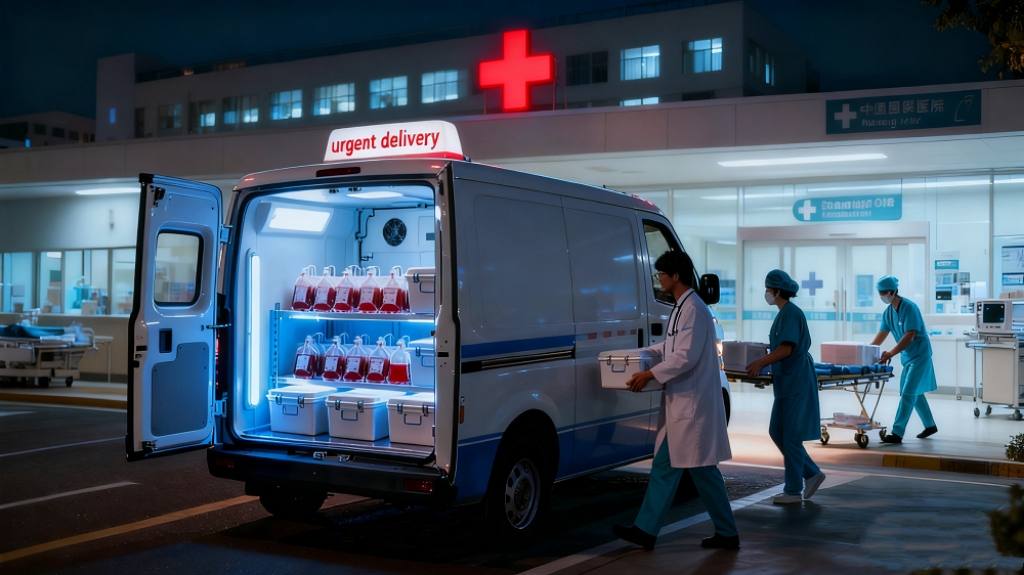
A pharma distributor I worked with lost their license for six months. Their delivery van hit 11°C during a routine pharmacy run. The vaccines inside required 2°C to 8°C. The regulator flagged the temperature excursion. The entire batch was destroyed. That single incident cost them $85,000.
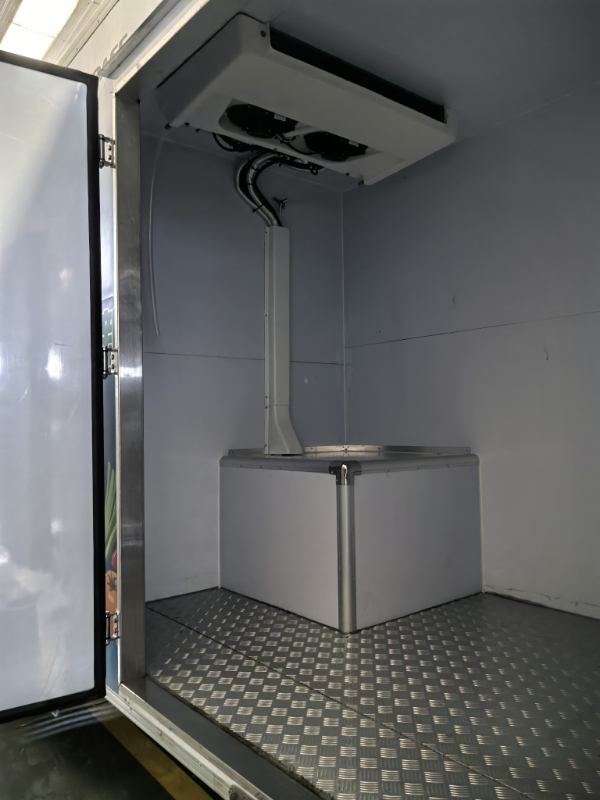
A GDP compliant refrigerated van maintains strict temperature control within 2°C to 8°C for pharmaceutical products. It includes continuous temperature logging, real-time alerts, and auditable data records. For medicine distributors and pharmacy chains, it is not just about keeping products cold. It is about proving they stayed cold at every point in the journey.
I helped three pharma distributors upgrade their delivery fleet last year. Every one of them passed their next regulatory audit without a single finding. Here is what they changed and why it matters for your operation.
What Does GDP Compliance Require for Refrigerated Pharmaceutical Transport?
Most pharma logistics managers I meet think they are compliant because their van has a cooling unit. It does not work that way. Good Distribution Practice requires documented proof that every shipment stayed within its required temperature range from departure to delivery. A refrigerator without a data logger is not compliant.
GDP compliance for pharmaceutical transport requires three things: validated temperature control, continuous monitoring with data recording, and documented procedures for handling excursions. A vaccine cold chain transport vehicle must prove that the cargo never left the required range. If it did, the system must show exactly when, for how long, and what corrective action was taken.
The Three Layers of GDP Compliance
I break compliance into three layers. Each layer must work independently. If one fails, the other two must still protect the cargo and the documentation.
| Layer | What It Covers | Minimum Requirement | Common Failure |
| Physical control | Van insulation and cooling unit | Hold 2°C to 8°C for 8 hours | Door seal wear, compressor aging |
| Monitoring | Temperature sensors and data loggers | Log every 5 minutes, alert at ±1°C | Dead battery, sensor drift |
| Documentation | Audit trail and excursion reports | Complete records for 5 years | Missing data, manual override |
What Happens During a Regulatory Audit?
I sat through a pharma logistics audit last September. The auditor asked for 12 things. Here are the ones that caught most distributors off guard:
The auditor wanted 90 days of continuous temperature logs with no gaps. They wanted to see the calibration certificate for every sensor in the van. They asked for the door-open log, showing exactly how many times and for how long the cargo area was accessed. They checked the excursion handling procedure, which had to show what happened when the temperature went out of range, who was notified, and what decision was made about the cargo.
Two of the three distributors I worked with had gaps in their temperature logs. One had a sensor that was 14 months past its calibration date. These are the small details that fail audits.
How Do You Choose a Refrigerated Van for Pharmaceutical Delivery?
The requirements for pharma transport are different from food. The temperature range is narrower. The monitoring requirements are stricter. The consequences of failure are more severe. A refrigerated van for pharmaceutical delivery must be purpose-built or properly validated after conversion.
I evaluated seven van models for a pharmacy chain last year. Only three met the requirements. The key differentiators were temperature stability under frequent door openings, sensor accuracy, and data export capability for audit purposes.
| Parameter | Food Delivery | Pharmaceutical Delivery |
| Temperature range | -20°C to +8°C (wide) | +2°C to +8°C (narrow) |
| Allowed excursion | Minutes to hours | Zero tolerance without documentation |
| Monitoring | Optional in most cases | Mandatory, logged every 5 minutes |
| Data retention | Usually not required | Minimum 5 years, auditable |
| Door opening impact | Acceptable temp rise | Must recover within 2 minutes |
| Calibration | Not typically required | Annual sensor calibration mandatory |
What Monitoring System Do You Need?
A basic temperature logger costs about $200. It records data to a USB drive. This meets the minimum requirement but creates manual work. A connected monitoring system costs $800 to $1,500 per van. It sends real-time alerts to your phone when the temperature moves outside range. It stores data in the cloud with automatic report generation.
For a temperature monitored van for medicine delivery, I always recommend the connected system. Here is why: last March, one of my clients received an alert at 10:47 AM. The van temperature had risen to 9.1°C. The driver had left the rear door open while making a delivery. The operations manager called the driver immediately. The door was closed. The temperature returned to range within 4 minutes. The system logged the entire event automatically. When the auditor reviewed the records six months later, the excursion report showed detection time, response time, and resolution time. That level of documentation passed the audit without questions.
How to Build Your Excursion Handling Procedure
Every pharma distributor needs a written procedure for temperature excursions. I use a simple four-step framework.
First, define the alert threshold. I set mine at ±1°C from the target. Second, define the response time. The driver must acknowledge the alert within 5 minutes. Third, define the decision criteria. If the excursion lasts less than 15 minutes and the product stability data supports it, the cargo is released. If it exceeds 15 minutes, the cargo is quarantined for quality review. Fourth, document everything. The system should generate an excursion report automatically.
For companies that want to start with a lower investment, a standalone
Cold Chain Refrigeration Container with built-in monitoring can be loaded into an existing van as a validated transport module. This approach passes audits while avoiding the cost of a full van conversion.
What Is the Real Cost of Non-Compliance?
I calculated the total cost of a failed audit for one of my clients. The direct costs included $85,000 in destroyed vaccines, $12,000 in re-delivery fees, and $30,000 in consultant fees to fix the compliance gap. The indirect cost was worse: they lost their distribution contract with one hospital group for six months. That contract was worth $200,000 per year.
The total cost of non-compliance was over $300,000. The cost of a properly equipped refrigerated van was $38,000. The math is simple.
Conclusion
Pharmaceutical delivery requires more than a cold van. It requires validated temperature control, continuous monitoring, and complete audit documentation. A GDP compliant
Mini Refrigerated Van with proper monitoring costs about $38,000. A single compliance failure can cost over $300,000. The investment protects your license, your contracts, and your patients.
My Role
About me
I am the operations director at NEWBASE, a company based in Zhengzhou, China. We design and build L4 autonomous vehicles and smart cold chain solutions. Over the past 18 years, we have shipped more than 20,000 cold chain units to over 30 countries. Our products include pharmaceutical-grade refrigerated vans, IoT-monitored cold chain containers, and autonomous delivery vehicles. We hold more than 200 patents and are certified under ISO 9001 and IATF 16949.
About the author
Dr. Henrik Larsen is a pharmaceutical logistics auditor based in Copenhagen, Denmark. He has spent 14 years conducting GDP compliance assessments for medicine distributors across Europe and the Middle East. He writes about practical cold chain validation strategies for pharma supply chain managers.