Last quarter, I reviewed our delivery loss report. We threw away $14,000 worth of spoiled food. The warehouse was fine. The store fridges were fine. The problem was the two hours between loading and unloading.
A
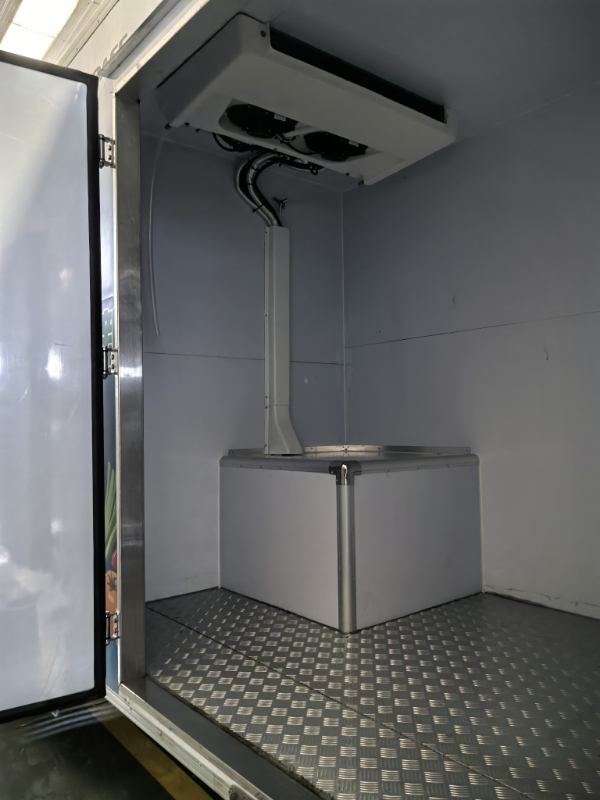
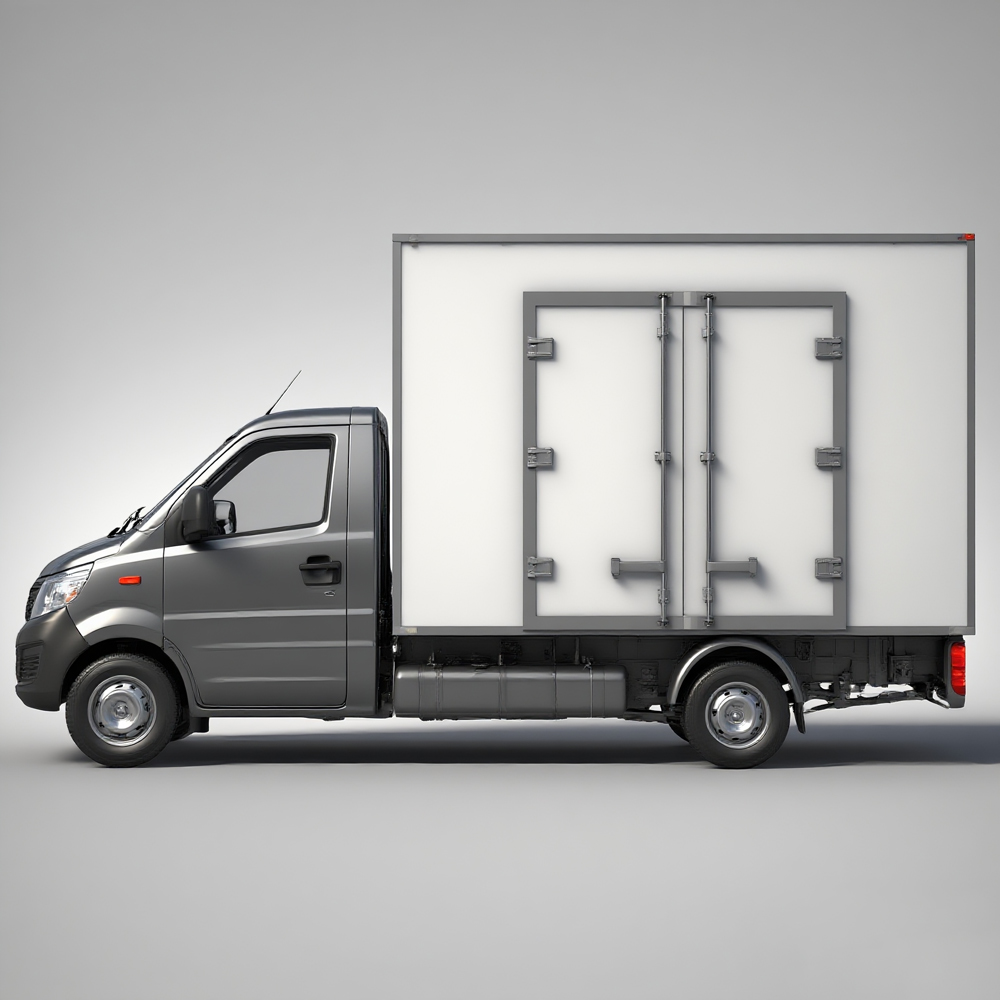
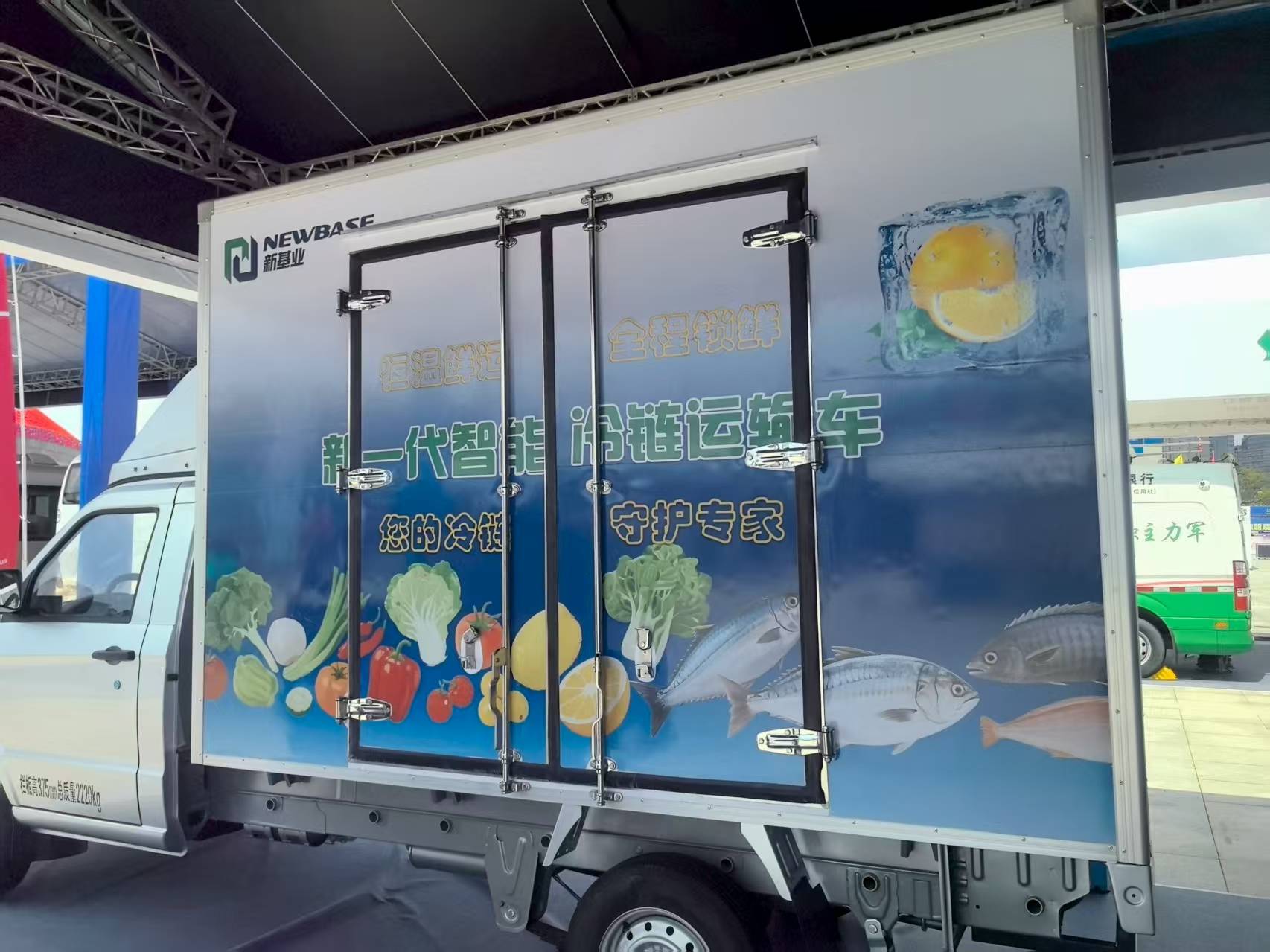
Mini Refrigerated Van solves this exact gap. It keeps food between -20°C and +8°C from warehouse to customer door. For food distributors and catering businesses, it cuts spoilage from the industry average of 8% down to under 1%. The return on investment typically comes within 6 to 12 months through reduced waste alone.
I did not believe those numbers until I ran one van on our busiest route for ninety days. The spoilage dropped from 7.2% to 0.8%. That one van saved us $3,400 per month. Here is exactly how it works for food distribution businesses.
How Does a Refrigerated Van Help Food Distribution Businesses?
My company supplies fresh produce and dairy to 40 restaurants across the city. We used insulated boxes with ice packs. The ice melted by hour three. By the time we reached the last five restaurants, the leafy greens were wilted and the cheese was sweating. Two restaurants cancelled their contracts because of it.
A refrigerated van for food distribution maintains a stable temperature throughout the entire delivery route, not just the first stop. Unlike ice packs that degrade over time, the built-in cooling unit holds a precise set point from the first delivery to the last. This is critical for food businesses because a 3°C temperature rise in dairy products for just two hours can trigger bacterial growth that shortens shelf life by four days.
What Does Spoilage Actually Cost Your Business?
I broke down our spoilage costs before and after switching to a refrigerated van. The results were stark.
| Cost Category | Before (Ice Packs) | After (Refrigerated Van) | Monthly Savings |
| Spoiled produce | $2,800 | $320 | $2,480 |
| Dairy waste | $1,600 | $180 | $1,420 |
| Customer refunds | $900 | $0 | $900 |
| Lost contracts | 2 accounts | 0 | Hard to measure |
| Ice pack purchase | $200 | $0 | $200 |
| Total | $5,500 | $500 | $4,800 |
What Temperature Do Different Foods Need?
This is where most food distributors get it wrong. They set one temperature for everything. But a mixed load of frozen meat, fresh vegetables, and dairy needs different zones or a carefully chosen compromise temperature.
| Food Category | Ideal Transport Temperature | Max Safe Exposure Time Above Range |
| Frozen meat and seafood | -18°C to -20°C | 20 minutes at +5°C |
| Fresh vegetables | +2°C to +5°C | 2 hours at +10°C |
| Dairy products | +1°C to +4°C | 1 hour at +8°C |
| Prepared meals | 0°C to +3°C | 1 hour at +8°C |
| Fresh fruit | +4°C to +8°C | 3 hours at +12°C |
A mini refrigerated van for restaurant supply typically runs a single zone. If you carry mixed loads, set the temperature to +2°C and use insulated dividers for frozen items. For dedicated frozen routes, set it to -18°C.
What Should a Catering Business Look for in a Cold Chain Van?
My friend runs a catering company. She delivers prepared meals to corporate events and weddings. Her old van had no refrigeration. She loaded the food in thermal bags and prayed. One summer day, the mayo-based salads went bad at a 200-person wedding. She paid $8,000 in refunds and nearly lost her business.
A cold chain van for fresh food delivery needs three things for catering use: fast cooldown capability, easy loading access, and precise temperature control. Catering businesses load and unload quickly at events. The van must reach target temperature within 15 minutes of loading. Side-loading doors are a major advantage because catering trays are wide and do not fit through standard rear doors easily.
How to Calculate Your ROI
When I presented the van purchase to my business partner, he asked one question: when do we get our money back? I built a simple calculation.
Monthly spoilage savings: $4,800. Monthly van cost (lease): $850. Net monthly benefit: $3,950. Payback on a $35,000 purchase: about 9 months. For a refrigerated delivery van for catering business use, the math is even better because catering margins are higher. A single saved event can cover a full month of van costs.
You can also use a modular
Cold Chain Refrigeration Container as a starting point if your volume does not yet justify a full van purchase. This lets you test the concept with lower capital.
What Mistakes Do Food Businesses Make When Buying Their First Refrigerated Van?
I see two mistakes over and over. The first is buying too large. A restaurant owner I know bought a 12-cubic-meter van. He fills it to 30% capacity on most days. The cooling unit works harder to chill empty space. His energy bill is 40% higher than it should be.
The second mistake is skipping the insulation inspection. Some cheap conversions use thin polystyrene instead of polyurethane foam. Polystyrene degrades within two years. Polyurethane lasts eight to ten. Always check the insulation material and thickness before you sign the contract.
A Buyer Checklist for Food Businesses
| Item | Minimum Standard | Why It Matters |
| Insulation material | Polyurethane foam | Long-lasting thermal performance |
| Insulation thickness | 50 mm minimum | Maintains temperature during door openings |
| Temperature range | -20°C to +8°C | Covers both frozen and chilled goods |
| Cooldown time | Under 20 minutes from ambient | Fast turnaround between loads |
| Door seal quality | Magnetic or compression seal | Prevents cold air loss at stops |
| Interior lighting | LED, moisture-proof | Safe loading in low light |
| Floor material | Non-slip, easy to clean | Hygiene compliance |
I used this exact checklist when I bought my second van. It helped me reject three quotes that looked cheap but had polystyrene insulation.
Conclusion
Food spoilage during delivery costs food distributors an average of 8% in lost product. A mini refrigerated van cuts that to under 1% and pays for itself within 12 months. Match the van size to your actual load, check the insulation material, and calculate your ROI before you buy.
My Role
About me
I am the operations director at NEWBASE, a company based in Zhengzhou, China. We design and build L4 autonomous vehicles and smart cold chain solutions. Over the past 18 years, we have shipped more than 20,000 cold chain units to over 30 countries. Our products include mini refrigerated vans, cold chain boxes, and unmanned delivery vehicles. We hold more than 200 patents and work with food distributors, catering companies, and cold chain logistics providers worldwide.
About the author
Rachel Adams is a food logistics consultant based in Bangkok, Thailand. She has spent 10 years helping restaurant chains and catering businesses reduce delivery spoilage and improve cold chain compliance across Southeast Asia. She writes about practical solutions for food supply chain operators.